


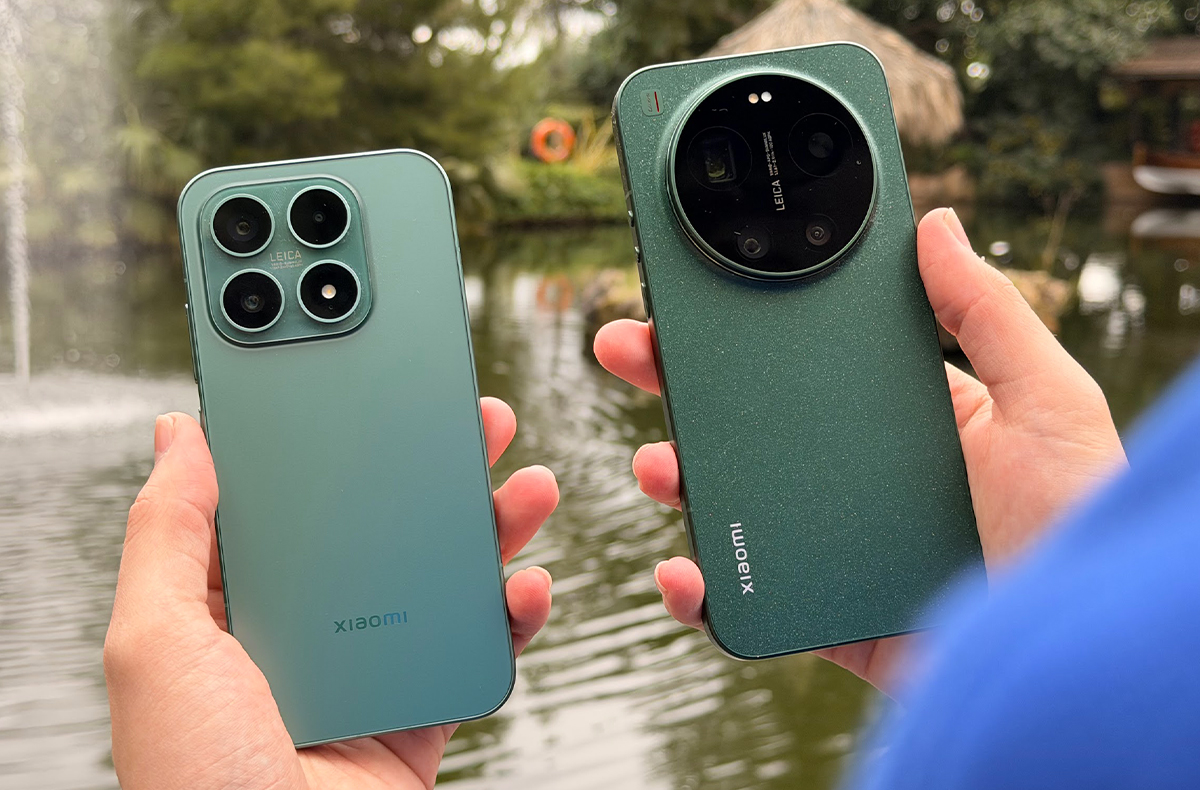
Xiaomi’s flagship smartphone game has improved significantly, as evidenced by the Xiaomi 17 vs 17 Ultra. When you compare these phones to practically everything else on the market right now, it’s difficult to find much to complain about.
I’ve been using the freshly announced Xiaomi 17 for a bit now, and it’s exceeded my expectations. We did the review but the time I’ve spent with it demonstrates how far ahead of the competition it is, including its more expensive brother, the Xiaomi 17 Ultra.
Over the last few weeks, I’ve been comparing the Xiaomi 17 to the Xiaomi 17 Ultra to determine which one makes more sense for the majority of consumers. The results are a little surprising: the Xiaomi 17 comes out on top. It does practically everything you’d expect from a flagship while saving you a lot of money: it starts at £899 against £1,299 for the Xiaomi 17 Ultra.
Furthermore, it is compact, which is becoming increasingly unusual among flagship phones. The Xiaomi 17 has a 6.3-inch display, which is becoming less common as most new flagships move to 6.8 or even 6.9-inch screens. It’s not as little as the iPhone mini or smaller phones from a decade ago, but it’s still comfortable to hold and operate one-handed.
So, does the Xiaomi 17 hit the correct balance when compared to the Xiaomi 17 Ultra, or should you pay extra on the larger flagship? Let us break it down in Xiaomi 17 vs 17 Ultra.
1. You get the same performance
The Xiaomi 17 and Xiaomi 17 Ultra both pack Qualcomm’s cutting-edge Snapdragon 8 Gen 5 processor on a 3nm process. Real-world speed is indistinguishable between them—smooth gaming, multitasking, and app launches across the board. You get the same elite performance for £400 less.
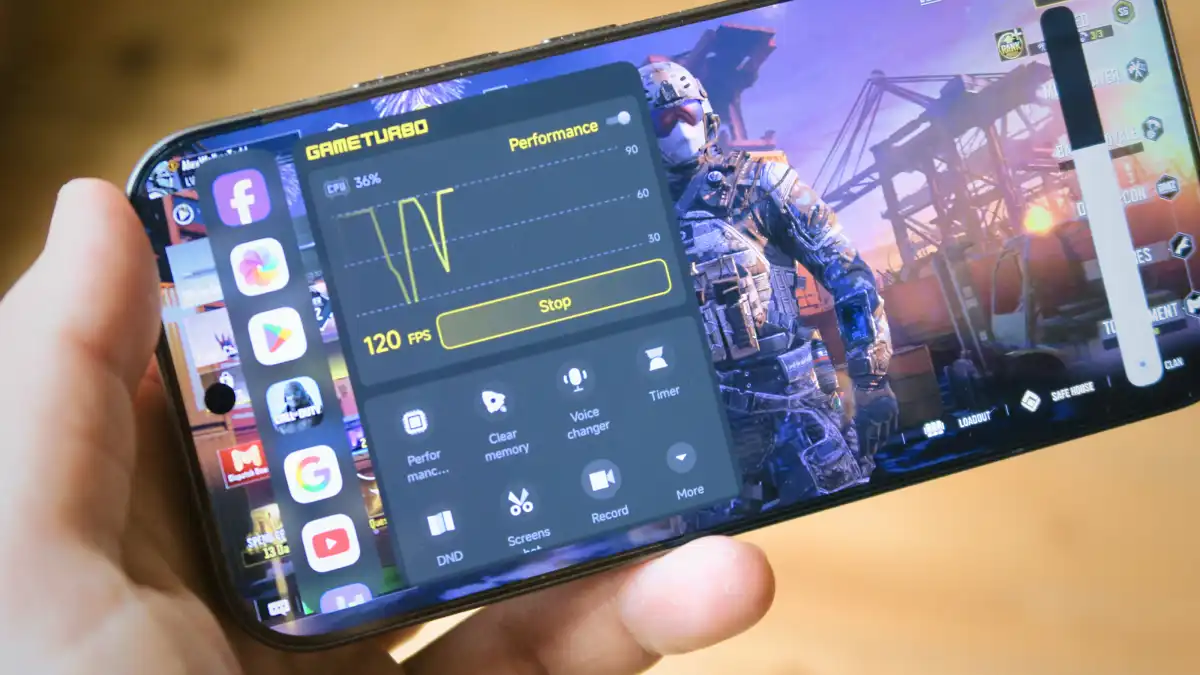
I tested both phones with demanding mobile games to see whether there was a difference. I spent a significant amount of time playing Genshin Impact on both the Xiaomi 17 and the Xiaomi 17 Ultra, and neither phone displayed any latency, stuttering, or performance drops. The gameplay felt smooth and consistent across both platforms. I also tested Call of Duty Mobile, and the results were identical.
Both phones employ identical memory and storage technologies. Both versions include LPDDR5X RAM and UFS 4.1 storage, ensuring rapid program loading, multitasking, and file transfers.
Gameplay felt smooth and consistent on both devices
The Xiaomi 17 offers 12GB RAM with 256GB or 512GB storage options, while the Xiaomi 17 Ultra scales to 16GB RAM and 1TB. Unless you need maximum capacity for heavy editing or massive media libraries, the Xiaomi 17 matches everyday flagship performance perfectly.
2. The form factor is better
I’ll admit that I’m prejudiced towards smaller phones. For a long time, my main device was the smaller Samsung Galaxy S23, although I also used the Galaxy S21 FE. Phones with displays between 6.2 and 6.3 inches feel ideal to me.
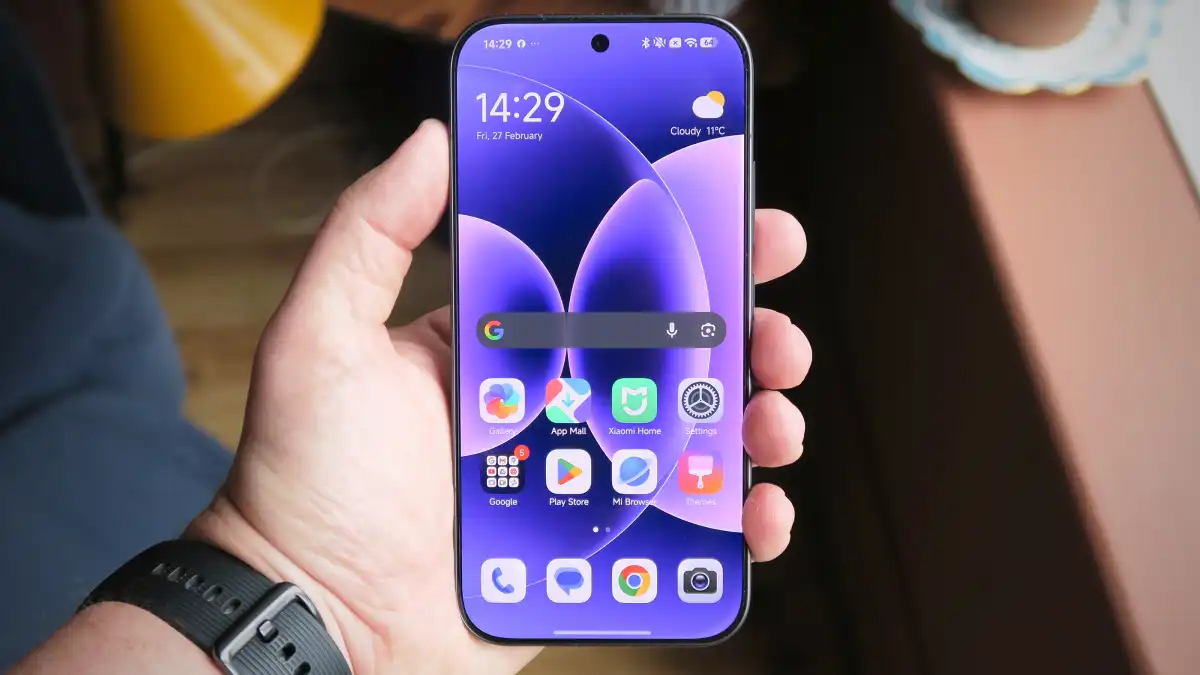
The Xiaomi 17‘s 6.3-inch OLED with Xiaomi Shield Glass delivers flagship visuals in a compact form—perfect for one-handed use. After a month of case-free testing, no scratches appeared.
It rocks 120Hz LTPO (1-120Hz adaptive), 3500 nits peak brightness for sunlight legibility, plus HDR10+, Dolby Vision, and DC dimming. Gaming, scrolling, and media consumption feel buttery smooth.
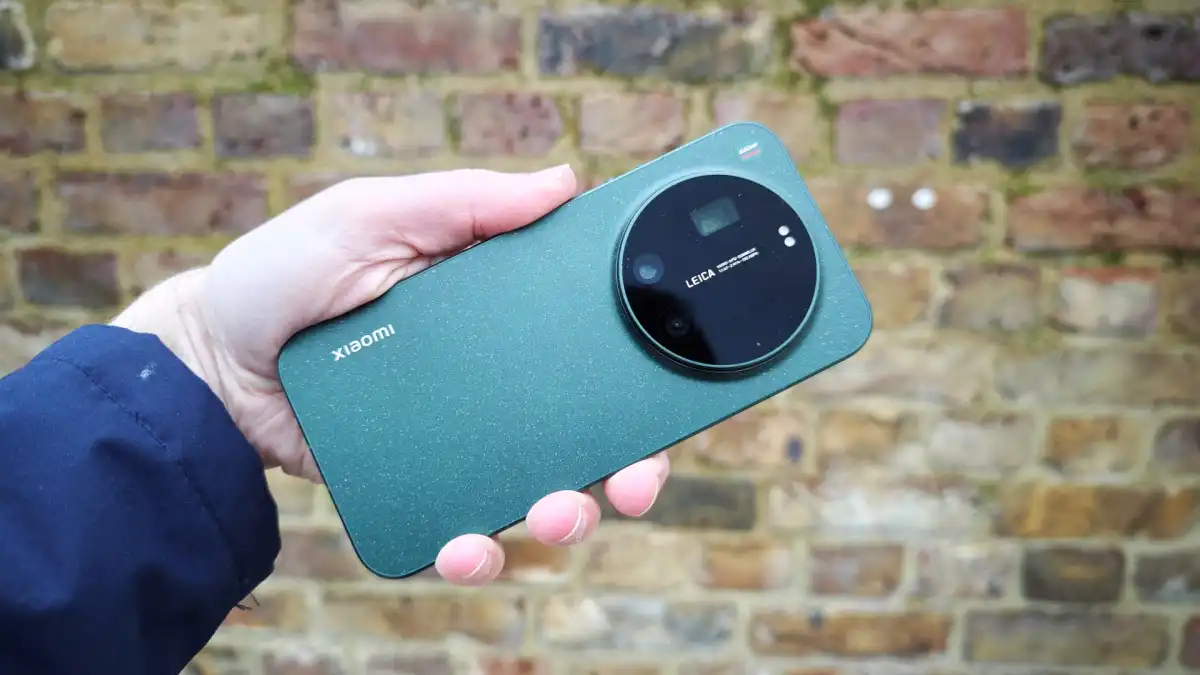
The Xiaomi 17 Ultra feels top-heavy because of the massive camera island
Because of the Xiaomi 17’s size and balance, I can use it with one hand to scroll, type messages, take photos, and record movies.
Larger phones rarely allow for this. The Xiaomi 17 Ultra feels top-heavy due to the large camera island on the rear. Pulling down the notification shade can be cumbersome while using it with one hand. To reach the top of the display, you typically need to adjust the phone in your hand and stretch your thumb.
3. The battery and charging are better
You might imagine that the more expensive Xiaomi 17 Ultra would have a longer battery life and faster charging, but this is not the case.
The Xiaomi 17 Ultra features a 6000mAh battery, which is amazing. Despite its smaller form, the Xiaomi 17 packs a somewhat larger 6330mAh battery.
Charging speeds also favor the Xiaomi 17. The phone supports both 100W wired charging and 50W wireless charging, but the Xiaomi 17 Ultra only supports 90W wired charging and 15W wireless charging.
The Xiaomi 17 manages to include a slightly larger 6330mAh battery
During my testing, the Xiaomi 17 lasted over 35 hours in a looped movie playing test. In typical daily use, the phone lasted an entire day, including Wi-Fi browsing, video streaming, multitasking, video recording, and even an hour or two of gaming.
The Xiaomi 17 charges impressively fast—reaching 50 % in about 22 minutes in my testing, so a short top‑up can easily keep you going all day. By contrast, the Xiaomi 17 Ultra needs roughly 30 minutes to hit around 60 %; while still quick, it’s not quite as speedy as the standard model. The Ultra’s larger display also draws more power, which can affect overall battery endurance.
Xiaomi 17 is ideal for most people
Unless you want a phone that can rival a DSLR, the Xiaomi 17 is a better option. It’s tiny, has a wonderful display, and performs admirably. You’re not giving up much on the camera side either.
The phone includes a solid triple-camera system with a 50+50+50Mp arrangement, which is more than adequate in most situations.
One of the three reasons isn’t even that it’s significantly cheaper!

