


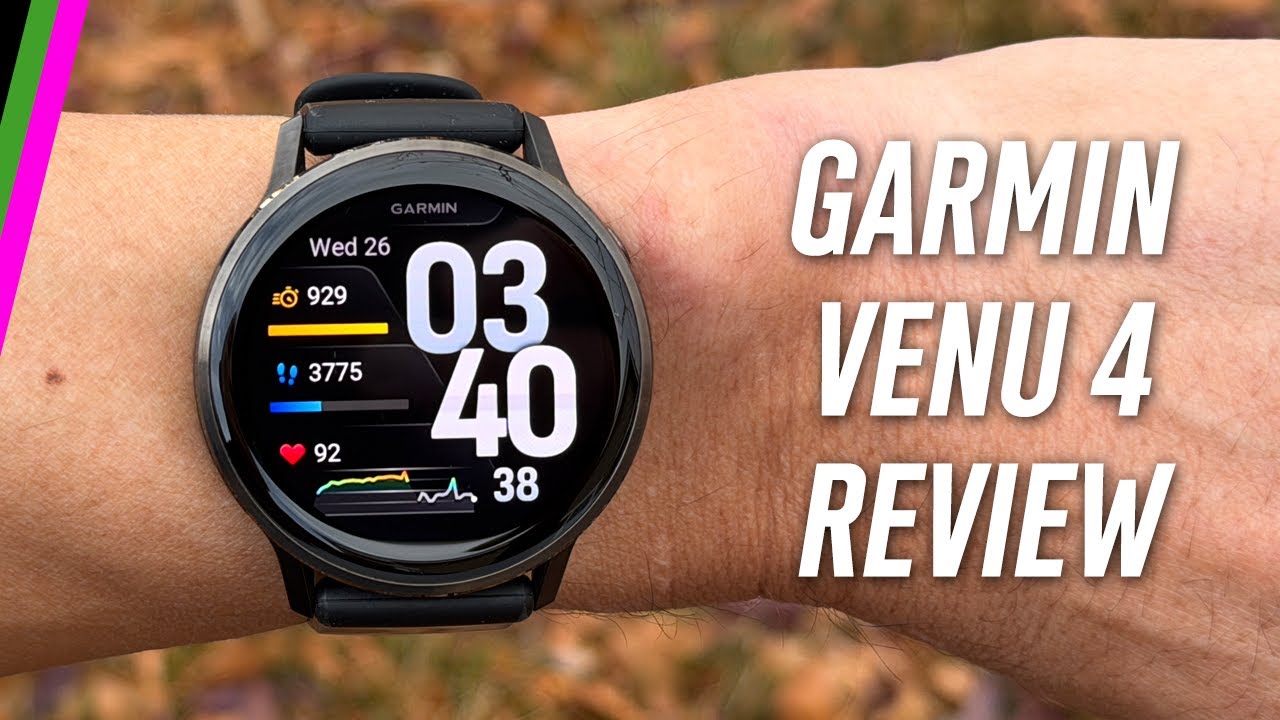
Looking for a stylish smartwatch that combines sleek design with powerful fitness tracking? The Garmin Venu 4 might be exactly what you need.
I still remember getting my hands on the original Garmin Venu back in the pre-pandemic days. It was my first Garmin smartwatch, and I absolutely loved using it. Sure, it had a few minor hiccups—like the occasional slowdown or glitch with offline music playback—but overall, it was a fantastic device that set the tone for Garmin’s future in smartwatch innovation. It was also one of the very first Garmin smartwatches to feature a stunning AMOLED display.
Since then, Garmin has steadily moved away from its older memory-in-pixel screens and embraced AMOLED technology across most of its newer models. This shift means that the Venu series’ signature screen feature isn’t quite as unique as it once was. That’s why I was curious to see how the Garmin Venu 4 stands out in today’s competitive smartwatch market.
After spending several weeks testing the Venu 4, I can honestly say I’m impressed—though there was one big surprise I didn’t see coming.
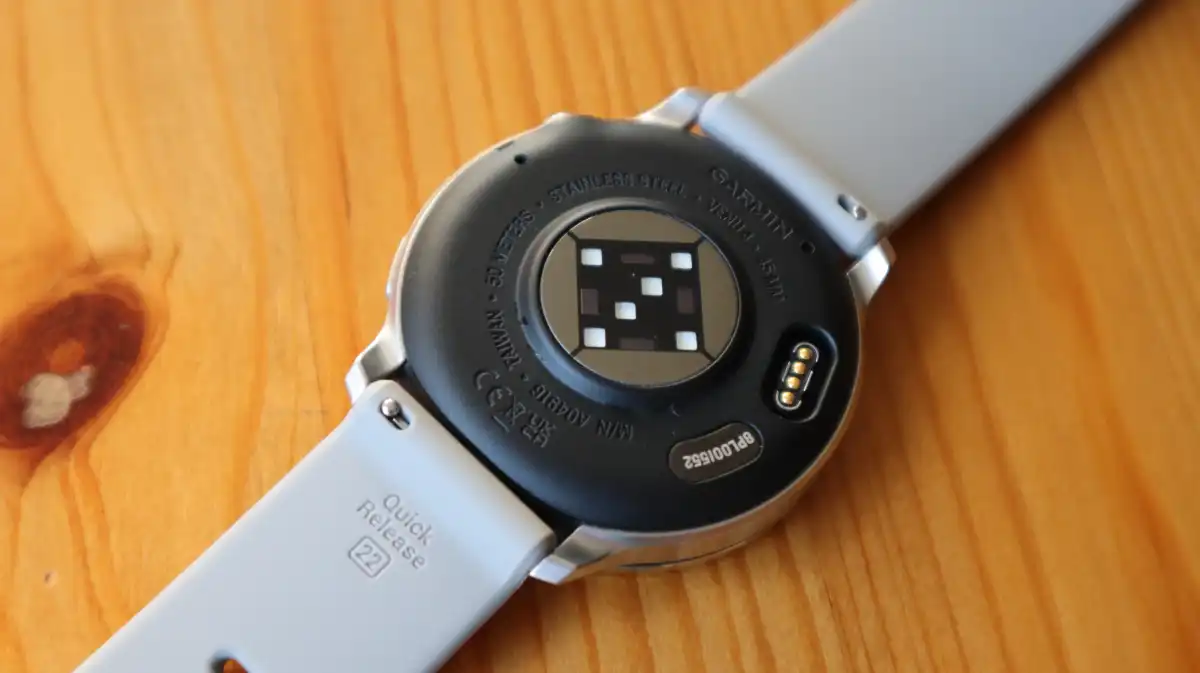
Design & Build
- 41mm and 45mm options available
- More durable stainless steel chassis
- One of the most stylish smartwatches around
One thing that has always set the Garmin Venu series apart from the slightly more affordable Garmin Vivoactive range is its stylish design. While the Vivoactive line focuses on functionality and fitness tracking, the Venu series brings extra attention to fashion and everyday wear. Similar to how Huawei has refined its Watch GT series in recent years, Garmin’s Venu models are built to look just as good at a dinner party as they do during a workout.
The Garmin Venu 3 continued that tradition beautifully, though I did find one thing frustrating—the most visually appealing color options were limited to the smaller 41mm model, which came in six variations. The larger 45mm version, meanwhile, only offered three. Fortunately, Garmin has fixed that imbalance with the Venu 4, offering four distinct color options for each size.
I’ve been testing the 45mm Silver model with a Silver Grey Silicone Band, and I have to say—it’s one of the most attractive smartwatches I’ve worn this year. It perfectly balances sporty functionality with a premium look that can easily complement any outfit.
The Garmin Venu 4 features a beautifully minimalist watch band that perfectly complements its sleek design. Paired with the elegant silver border around the display, the watch evokes the same refined charm as the Withings ScanWatch 2—a wearable that, from a distance, could easily be mistaken for a classic analogue timepiece. I’ll admit, it might look a bit too sophisticated for intense gym sessions, but it’s been an absolute pleasure to wear throughout my daily routine.
Despite its focus on style, Garmin hasn’t compromised on durability. The Venu 4 now features both a stainless steel bezel and case, an upgrade from the Venu 3’s plastic build. After several weeks of testing—including pool swims and tough workouts—the watch still looks pristine. No scratches, no visible wear and tear—just a durable smartwatch that blends elegance with everyday performance.
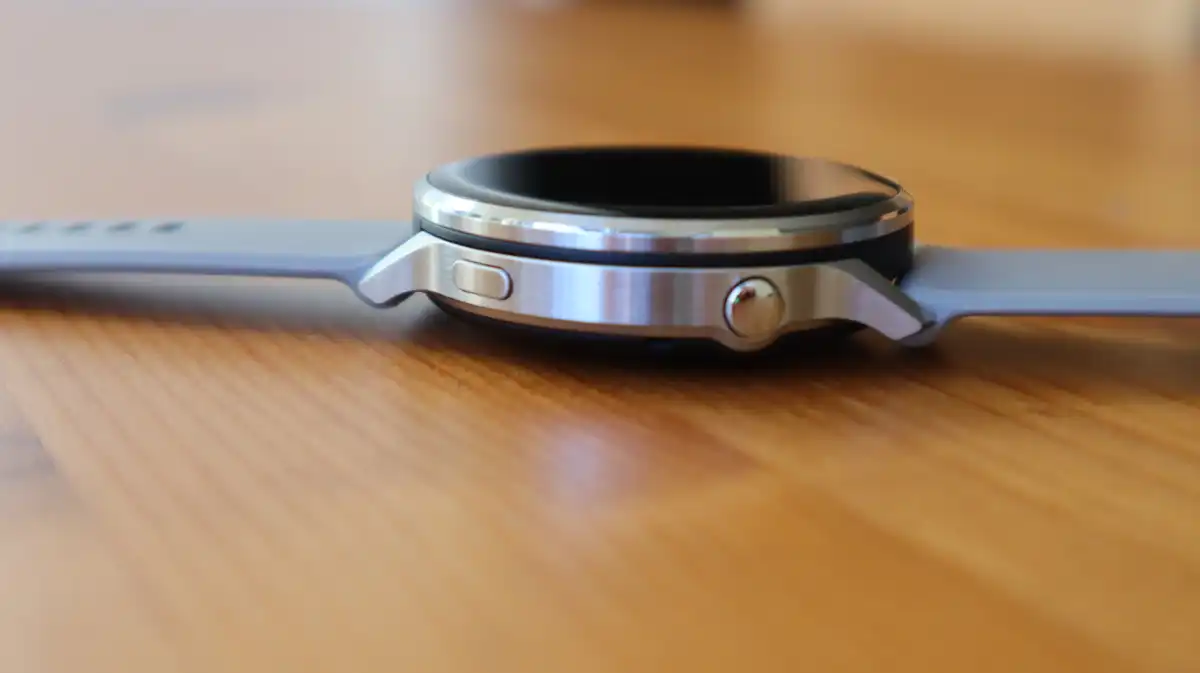
Readers with keen eyes may have observed that the Venu 4 now has one less physical buttons than the Venu 3, having removed the central right-facing shortcut button. Given that the input was only available for a generation, and that you can set shortcuts to a long-press of any of the two remaining buttons, I don’t miss it too much.
The Venu 4’s thickness, on the other hand, has me torn. The watch isn’t particularly thick at 12mm, but when compared to the 7.9mm Garmin Venu X1 or even the 9.7mm Apple Watch Series 11, it feels like a step forward in terms of market direction. Still, it’s a reasonable trade-off for the battery advantages that come with the extra space, but I’d be lying if I said I didn’t miss how elegant the Venu X1 is in comparison.
Screen & Audio
- Brighter AMOLED display is very easy to read
- Colours pop on watch faces and menus
- Built-in speaker gets the job done for podcasts
Just as Garmin refined the Venu 4’s build quality for improved durability, the display has also received a subtle yet impressive upgrade. Instead of increasing screen size like it did between the Venu 2 and Venu 3, Garmin has focused on enhancing screen brightness—and the result is stunning.
While Garmin hasn’t revealed exact technical specifications (and available data varies), I can confidently say that the Venu 4 display excels in all lighting conditions. Whether I’m glancing at the slightly dimmer always-on display while working at my desk or checking workout stats under direct sunlight, visibility has never been an issue. The screen remains crisp, vibrant, and easy to read at any time of day.
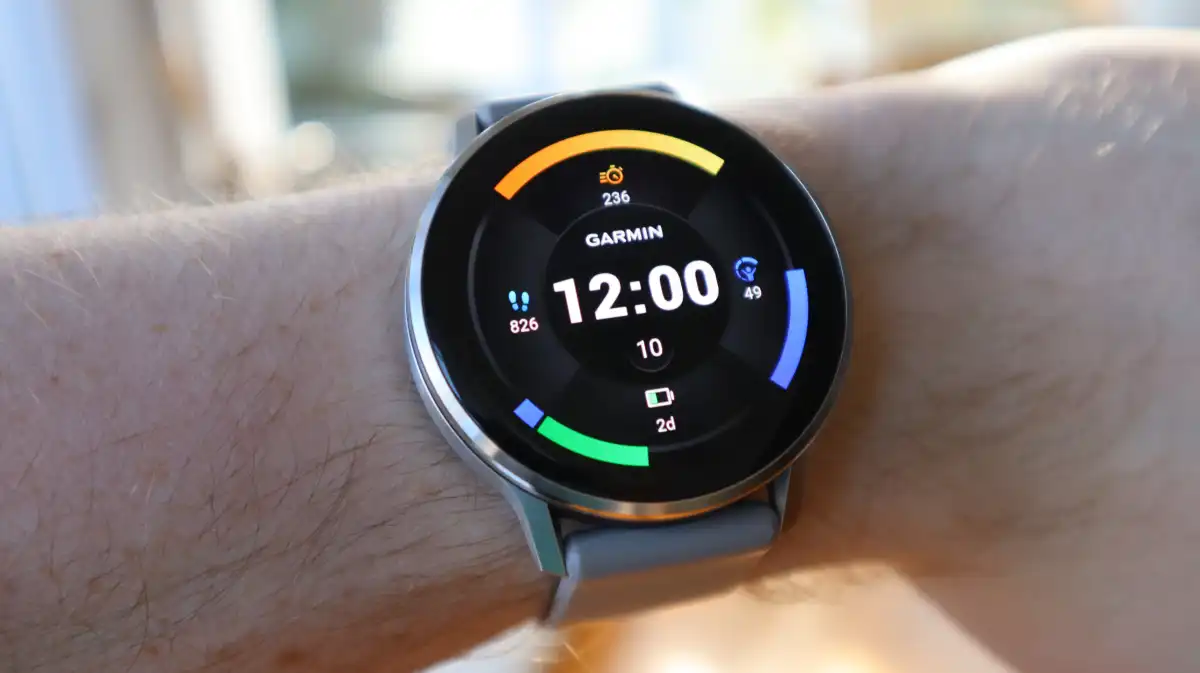
Working alongside the stunning AMOLED display, Garmin’s smart use of color design helps the Venu 4 stand out visually. Much like Apple’s approach to its watchOS interface, Garmin keeps most of the background elements dark—whether you’re navigating menus or checking your chosen watch face. This contrast allows the colorful highlights to truly pop, making the display engaging and easy on the eyes.
The Garmin Venu 4 also includes a built-in speaker and microphone, which come in handy if you forget your earbuds or need to answer a quick call while your phone is tucked away at the bottom of your gym bag. The speaker handles voices well, making it great for podcasts or short calls, though it’s less suited for music playback. During my tests, songs with layered instruments—like “Charlotte” by Kittie from my running playlist—lost much of their depth and clarity. For workouts, you’re much better off pairing the watch with ANC earbuds or bone conduction headphones for a richer audio experience.
Software & Features
- Just the right amount of smart features
- Morning and evening reports are brilliant
- The watch froze a few times during testing
Having switched between the latest smartwatches from Apple, Samsung, and Huawei in recent months, I’ve grown to enjoy Garmin’s approach to smart features, especially following the UI overhaul that was originally launched on the Garmin Fenix 8.
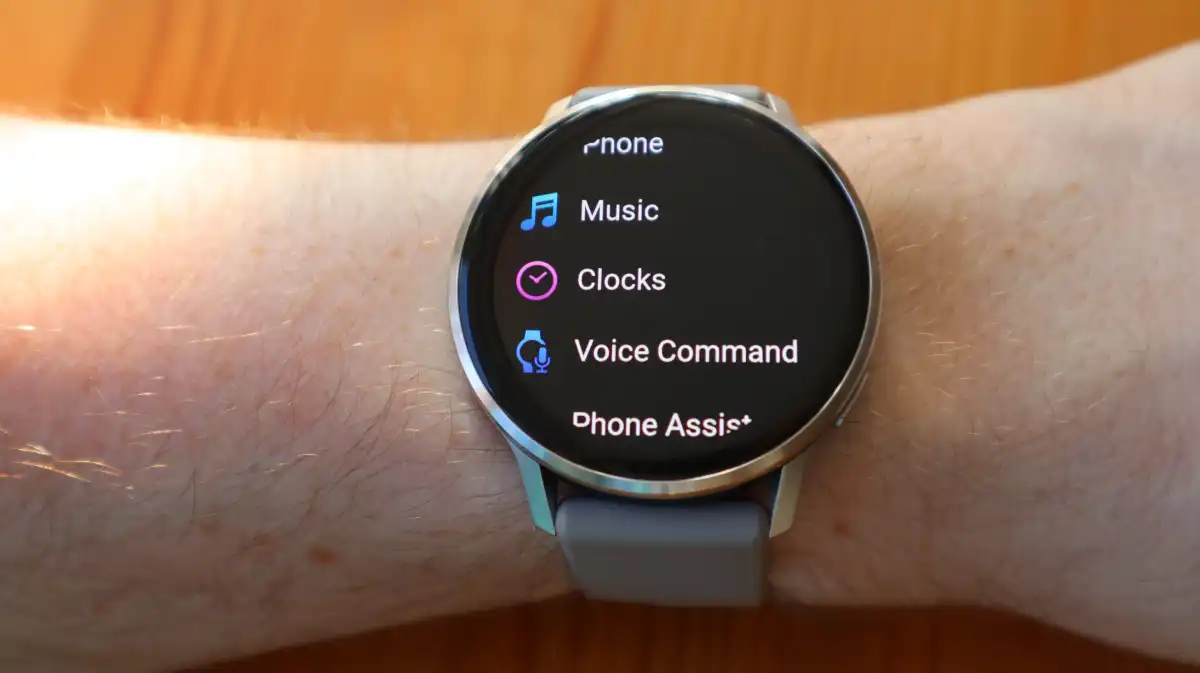
While you won’t have access to third-party apps like Outlook or Calm, you will get the functions that are useful. You can listen to music offline using Spotify, Deezer, and Amazon Music, and Garmin Pay allows you to shop or get a drink after your run.
This is on top of more basic capabilities like seeing your calendar on your wrist and receiving phone alerts, and while it is obviously pared back, it works for what Garmin watches are all about: being focused on your health.
You can utilize voice commands, either through Garmin’s software or by activating Siri/Google Gemini, depending on your phone, but it’s a little cumbersome, and aside from setting timers, I didn’t really enjoy the feature. I enjoy the Evening and Morning Reports that come on the watch.
These handy summaries tell you whether you’re well rested, what’s on your calendar, and even the weather. These check-ins have been quite useful, especially because I’ve been trying to balance work and sleep recently, and they’ve helped me get back on track. Even if it is a little derivative, I would enjoy it if Apple and Samsung could develop their own versions of this functionality.
Beyond its software updates, one of the most notable hardware upgrades in the **Garmin Venu 4** is the inclusion of a **built-in flashlight**. This feature first appeared in the more premium Garmin X1 models, so it’s a pleasant surprise to see it added here. The integrated torch is surprisingly useful—it makes late-night tasks like taking out the trash or early morning runs on dimly lit paths much more convenient.
It’s a small addition, but one that brings real everyday value and highlights Garmin’s commitment to refining both practicality and user experience in its Venu lineup.
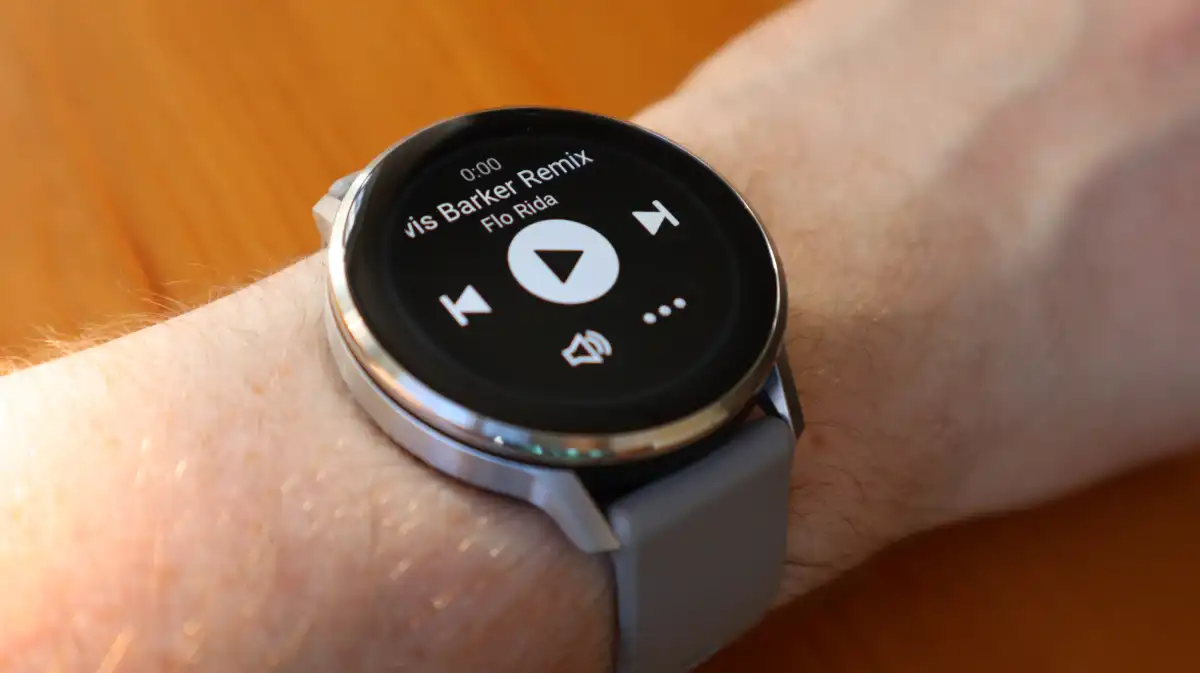
It hasn’t been completely smooth sailing, though. During at least four of my **strength training sessions**, when I had both **heart rate tracking** and **offline music playback** active, the **Garmin Venu 4** froze around the 20–30 minute mark.
I’m not alone in experiencing this issue—other users have reported similar problems in the Garmin forums. Thankfully, the watch didn’t freeze during other types of workouts, and it always managed to save my training data once restarted. Still, it’s a frustrating issue, and I hope Garmin addresses it soon through a firmware update.
Fitness & Health Tracking
- A wider array of sports to track
- Dual-band GPS capabilities
- Solid heart rate tracking
If you’ve already checked Garmin’s official website, you’ve probably noticed that the Garmin Venu 4 comes with a noticeable price increase compared to its predecessor. In the UK, it’s priced around £70 higher than the Venu 3, and in the US, it costs roughly $100 more. It’s a significant jump that positions the Venu 4 closer to premium smartwatch territory.
The price increase is partly justified by the Garmin Venu 4’s upgraded features—such as the built-in LED torch, brighter display, and more durable stainless steel build. The rest of the added cost reflects the watch’s expanded capabilities as a comprehensive fitness tracker, offering more versatility than previous models.
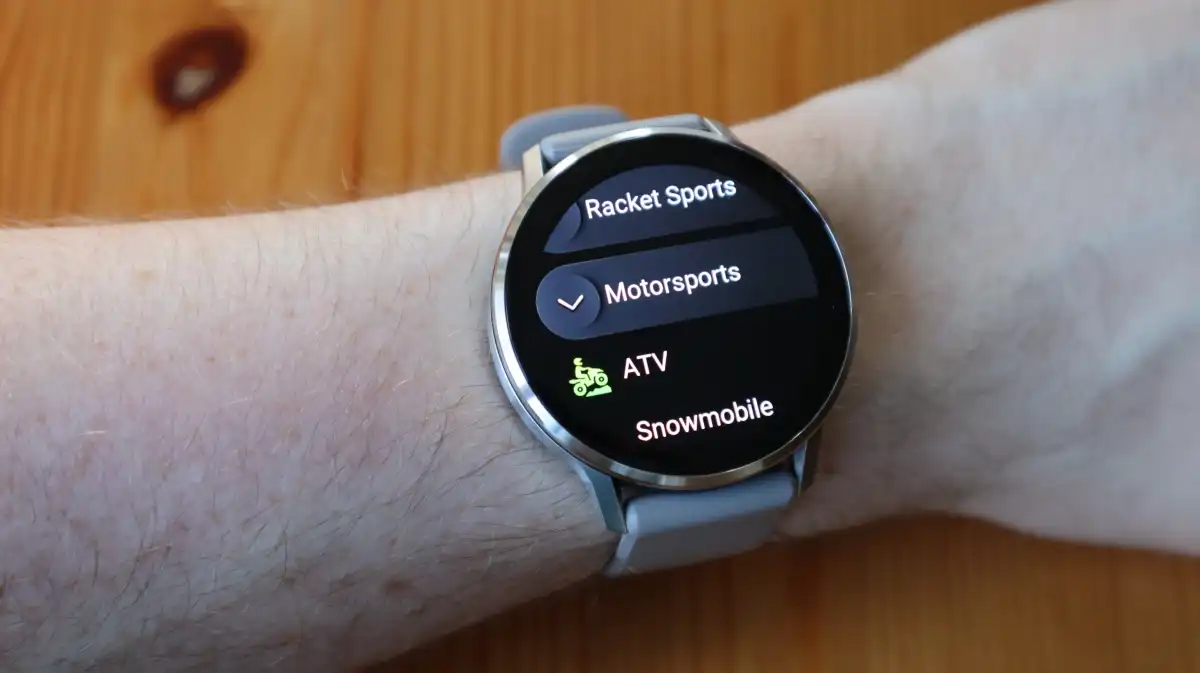
The Garmin Venu 4 significantly expands workout tracking, now supporting over 80 different activity profiles, compared to just over 30 on the Garmin Venu 3. Whether your routine focuses on strength training at the gym, outdoor running, or more niche sports like ice hockey, pickleball, or motocross, the Venu 4 allows you to accurately track and analyze your workouts directly from your wrist.
While this expanded activity support may not be a must-have upgrade for every user, it clearly helps position the Venu 4 above the Vivoactive series and entry-level Garmin Forerunner models. The Venu lineup now serves as a strong middle ground within the Garmin ecosystem, combining advanced fitness features with a refined, fashion-forward design—something no other Garmin series prioritizes to the same extent.
Another major upgrade is the inclusion of dual-band GPS, which delivers more accurate and stable route tracking. This enhancement is especially valuable for running and cycling performance analysis, allowing users to review detailed metrics and pinpoint areas for improvement. During testing on my regular running route, the Venu 4 tracked the path with impressive precision, maintained a consistent GPS signal, and achieved satellite lock in an average of just seven seconds.

Similar to the Whoop fitness strap, the Garmin Venu 4 now introduces Lifestyle Logging, allowing users to track everyday habits alongside fitness and health metrics. This feature makes it easy to monitor important lifestyle factors such as daily caffeine intake (coffee and tea), weekly alcohol consumption, and other behaviors that can impact recovery and overall wellness.
While Lifestyle Logging is a welcome addition, it still has room for improvement. At the moment, the feature is buried within multiple menus inside the Garmin Connect app, and the number of predefined habits is more limited compared to Whoop. That said, users can manually add custom behaviors, which helps fill the gap until Garmin streamlines the experience and expands preset options.
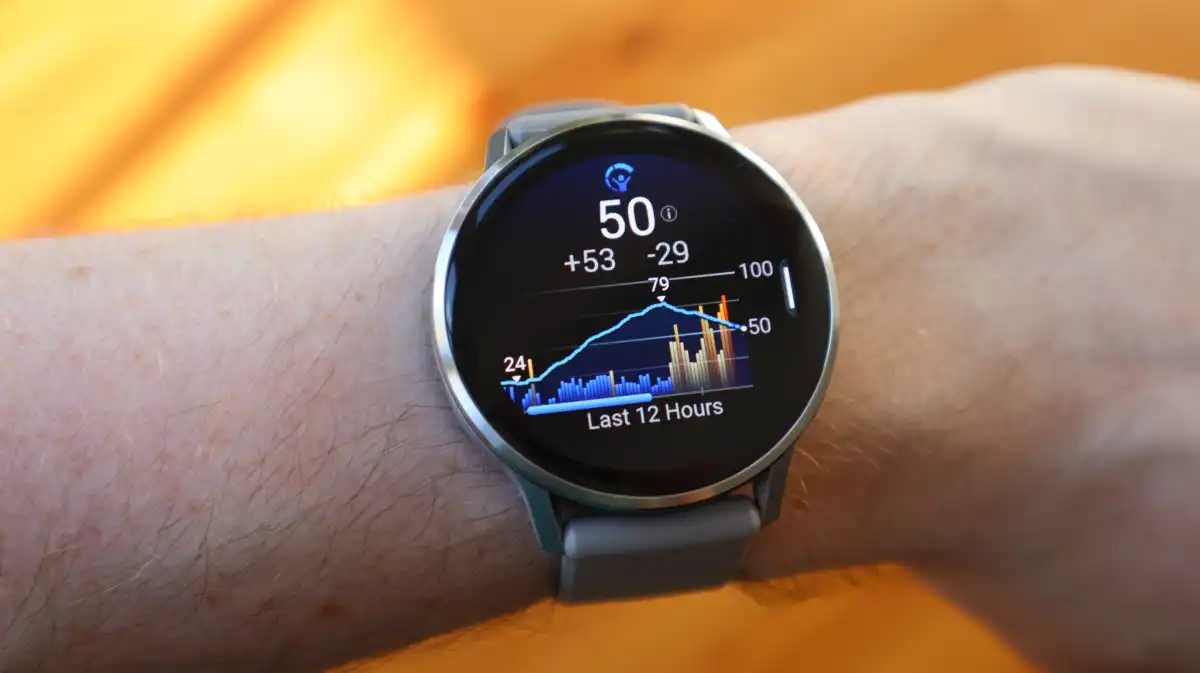
One feature that continues to stand out is Garmin’s Body Battery, and it feels more insightful than ever on the Venu 4. Throughout this review period, I’ve been juggling a demanding workload alongside major personal changes, and on one particularly busy day, I took a short break to unwind for just 30 minutes.
That small pause was enough to noticeably boost my Body Battery score, reinforcing how critical rest and mental downtime are to overall energy levels and performance. It’s this kind of actionable insight that truly sets Garmin apart—no other wearable brand delivers such a clear, easy-to-understand picture of how daily habits and recovery affect your body.
When it comes to heart rate accuracy, the Garmin Venu 4 delivers excellent results. During testing, its wrist-based heart rate sensor was directly compared with the Garmin HRM 600 chest strap, which is widely regarded as a benchmark for precision.
Across both a treadmill running session and an elliptical workout, the data collected by the Venu 4 closely matched the chest-worn monitor. The difference in average and peak heart rate readings never exceeded 1 BPM, which is about as accurate as wrist-based heart rate tracking gets.
This level of consistency makes the Venu 4 a reliable smartwatch for heart rate monitoring, whether you’re training indoors, tracking cardio sessions, or analyzing long-term fitness trends—without needing to rely on an external chest strap.
Battery Life & Charging
- Up to 12-days of battery life
- Roughly six days of use with the always-on display
- A full charge takes just over an hour and a half
If there was one area I hoped to see improved after the Garmin Venu X1, it was battery life—and thankfully, the Venu 4 delivers. Thanks to its slightly thicker chassis, battery performance has taken a positive turn.
According to Garmin, the Venu 4 can last up to 12 days on a single charge (or 10 days for the smaller 41mm model) when the always-on display is turned off. That’s just a little less than the 14-day lifespan of the larger Venu 3, but still impressive overall.
In my testing, with the always-on display enabled, a few software updates installed, Spotify playlists downloaded, and several workouts tracked, the Venu 4 lasted around six days per charge. It’s a solid showing that balances performance, screen brightness, and power efficiency effectively.
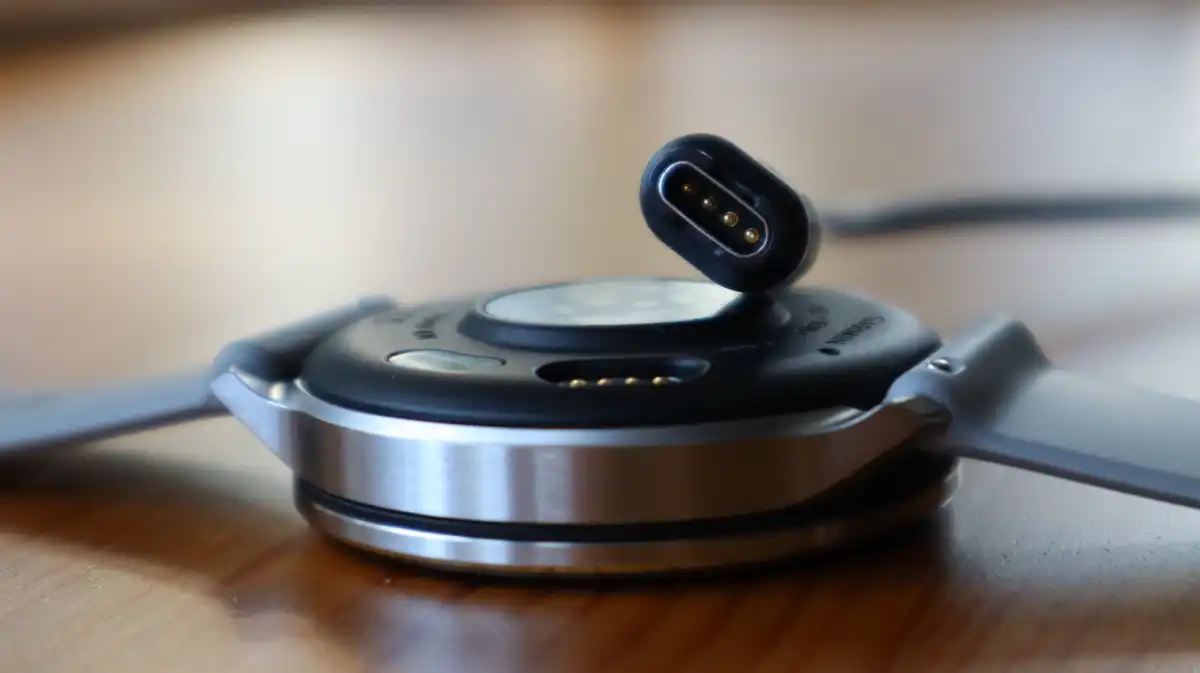
Charging times on the Garmin Venu 4 are impressively reasonable for a smartwatch with such strong battery endurance. In testing, a 15-minute charge restored around 19% battery, which is more than enough to power the watch for an entire day. After 40 minutes, the battery level climbed to an impressive 60%, making quick top-ups highly practical.
A full charge from 0 to 100% took just over 1 hour and 30 minutes. However, given that the Venu 4 doesn’t need to be charged frequently, charging speed is unlikely to be a concern for most users.
As with previous Garmin models, the Venu 4 relies on Garmin’s proprietary charging cable, maintaining consistency across the brand’s smartwatch lineup but also meaning users will need to keep the dedicated charger on hand.
Price & Availability
The Garmin Venu 4 is available in two case sizes: 41mm and 45mm, with no difference in the base price between the two options. Both sizes start at £469.99 / $549.99, giving buyers the flexibility to choose the size that best fits their wrist without paying a premium.
For those who prefer a more premium look, Garmin also offers versions with a leather watch strap. These models are priced higher, coming in at £519.99 / $599.99, reflecting the upgraded materials.
In terms of availability, the Garmin Venu 4 is now on sale in all major markets, including direct purchase through Garmin’s official website and popular retailers such as Amazon.
Buyers can choose from a total of eight colour options, with four colourways available for each size:
🎨 Garmin Venu 4 – 41mm colour options
Silver with Periwinkle Silicone Band
Lunar Gold with Bone Silicone Band
Slate with Black Silicone Band
Lunar Gold with Bone Silicone Band & Light Sand Leather Band
🎨 Garmin Venu 4 – 45mm colour options
Slate with Black Silicone Band
Silver with Silver Grey Silicone Band
Silver with Citron Silicone Band
Slate with Black Silicone Band & Brown Leather Band
This wide range of sizes and colour combinations makes the Garmin Venu 4 one of the most customizable smartwatches in Garmin’s lineup, appealing to users who value both performance and personal style.
Specs
- 41mm and 45mm models
- 46/56g
- 1.2/1.4-inch display
- AMOLED
- Stainless steel chassis
- Up to 10/12-day battery life
- Dual-band GPS
- 5ATM water resistance
- 8GB internal storage
- Works with iPhone and Android

