



I had appreciated reading about the original Hollyland Lark Max wireless mic kit and was particularly pleased by its ability to record audio straight onto the mics (known as onboard recording). This vital function allows you to bridge any gaps in your recording produced by signal drop-out between the presenter’s wireless transmitter and the receiver hooked into your camera. I was excited to see if 2025’s Lark Max 2 had any fresh tricks up its sleeve!
I had the chance to test the Lark Max 2 Ultimate Combo kit, which includes two wireless microphone transmitters. This setup offers more mics than most content creators typically need, but it’s perfect for recording team discussions, group presentations, or multiple speakers and musicians — especially when each person needs their own lapel-mounted (or magnetically attached) microphone.
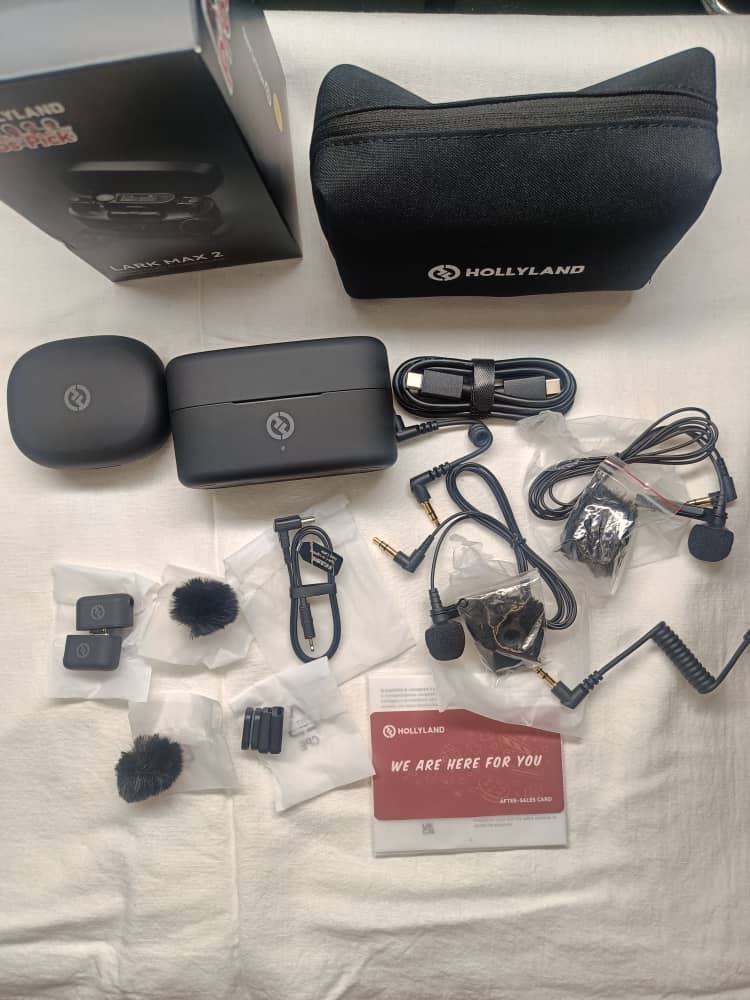
The LARK MAX 2 is designed as a complete audio solution for everyone—from solo vloggers to small production teams. It offers dual transmitters, 32-bit float recording, advanced noise cancellation, and an innovative wireless monitoring system. The real question is whether these impressive features deliver reliable, real-world performance. After testing it hands-on, it’s clear that Hollyland has built a system with outstanding depth, versatility, and practical value.

Build and Design
The LARK MAX 2 system centers around its two ultracompact transmitters. Each one weighs just 14 grams (0.5 oz), making them some of the lightest high-end 2.4 GHz transmitters available. Despite their small size, they feel premium thanks to a matte, nano-coated finish that’s both discreet and comfortable against the skin. You also get flexible mounting options, including a standard clip and an additional magnetic clip system for quick, secure attachment.
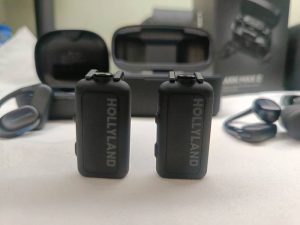
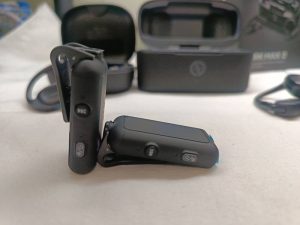

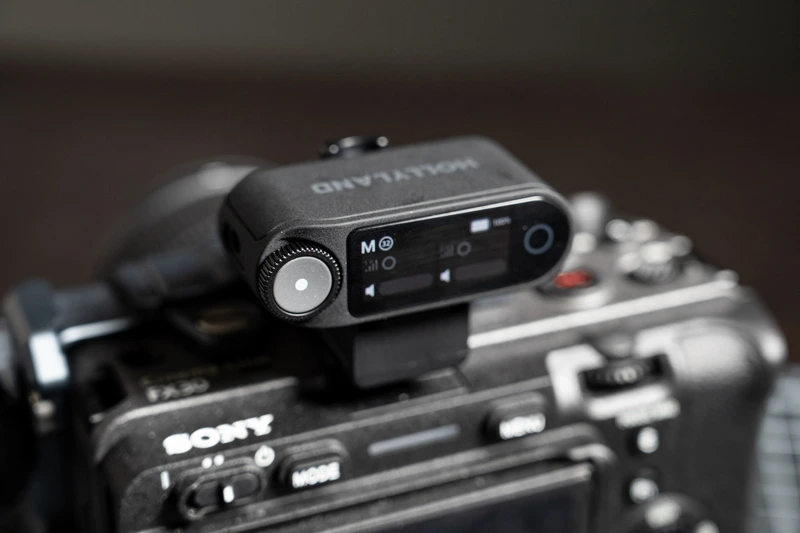
The LARK MAX 2 kit comes with two dedicated receivers. The main camera-mount receiver features a full-color touchscreen and a tactile control wheel, allowing fast access to settings such as gain, recording modes, and monitoring levels. There’s also a compact USB-C plug-in receiver designed for smartphones and computers, making mobile recording incredibly simple and streamlined. All transmitters and the primary receiver fit neatly into the included charging case, which delivers up to 36 hours of total operating time.
Core Audio Performance
The LARK MAX 2 delivers impressive audio quality with a 48 kHz sample rate and a clean, full-bodied sound signature. Hollyland’s proprietary FocalClear Technology enhances vocal clarity while naturally reducing background noise for more polished recordings. The microphones also support a maximum sound pressure level of 128 dB, allowing them to capture audio in loud environments without distortion.
One of the standout features of the LARK MAX 2 is its support for 32-bit float audio. Each transmitter includes 8 GB of internal storage, allowing it to double as a standalone recorder capable of capturing up to 10 hours of 32-bit float audio (or 14 hours in 24-bit). What sets this system apart is its full-chain 32-bit float transmission, meaning the transmitter can send a 32-bit float signal through the receiver and directly into any compatible recording device for maximum dynamic range and flexibility.
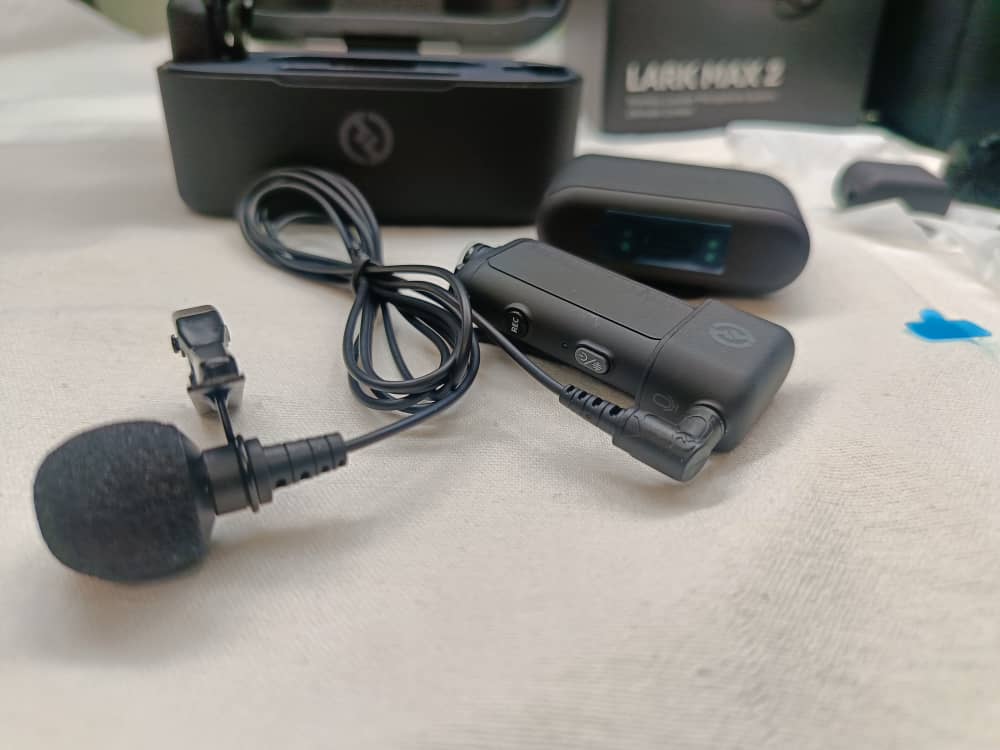
Although the transmitters perform well on their own, you can also pair them with 3.5 mm lavalier microphones using the included USB-C to 3.5 mm adapters. This adds more flexibility in how you mount the mic and mic up your talent, making it an important advantage for a 2.4 GHz system designed for creators at this level.
Understanding 32-Bit Float Audio: What It Is and Why It Matters
For many creators who aren’t audio engineers, “32-bit float” may sound like complicated tech jargon — but its real-world benefit is simple to grasp. Think of it like the difference between shooting a JPEG and a RAW image.
With traditional 24-bit audio (the format most recorders use), setting your input level—or “gain”—is a careful balancing act. Set the gain too low and your audio will sound quiet; boosting it later also raises the noise floor, adding unwanted hiss. Set it too high, and any sudden loud moment—like laughter or a sharp vocal spike—can cause clipping. Once clipped, the waveform becomes harsh and square, creating distortion that’s almost impossible to fix. It’s the audio equivalent of overexposed highlights in a JPEG: the lost data can’t be recovered.
32-bit float recording eliminates this issue entirely. It captures an extremely wide dynamic range—far greater than 24-bit—which makes clipping virtually impossible during recording. You don’t have to worry about dialing in the perfect gain. Even if playback sounds distorted, lowering the level in your editing software will instantly reveal a clean, unclipped waveform. For solo creators and unpredictable shooting environments, this offers huge peace of mind.
The only limitation is compatibility: while the LARK MAX 2 transmitters always record internally in 32-bit float, most cameras cannot receive a 32-bit float signal. This means that for many users, the biggest advantage will come from using the internal recordings on the transmitters.
Advanced Features and Control
Beyond its core audio performance, the LARK MAX 2 packs a range of smart, user-focused features. One standout is its AI noise cancellation system. Instead of a basic on/off toggle, it offers stepless adjustment from 5 dB to 25 dB, giving you precise control over how much ambient sound is reduced. You can gently lower background noise for a more natural tone or apply stronger suppression when recording in loud environments.
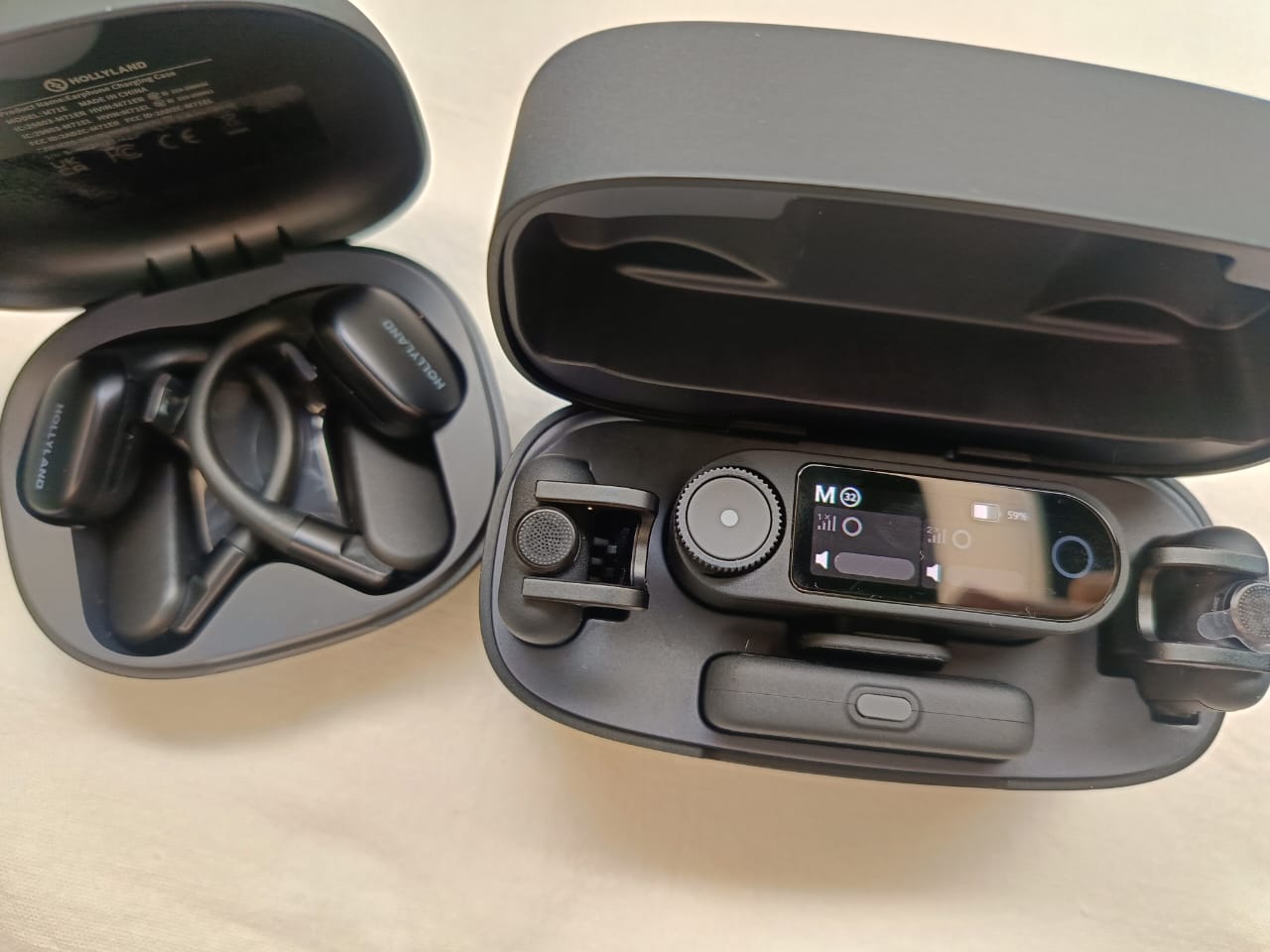
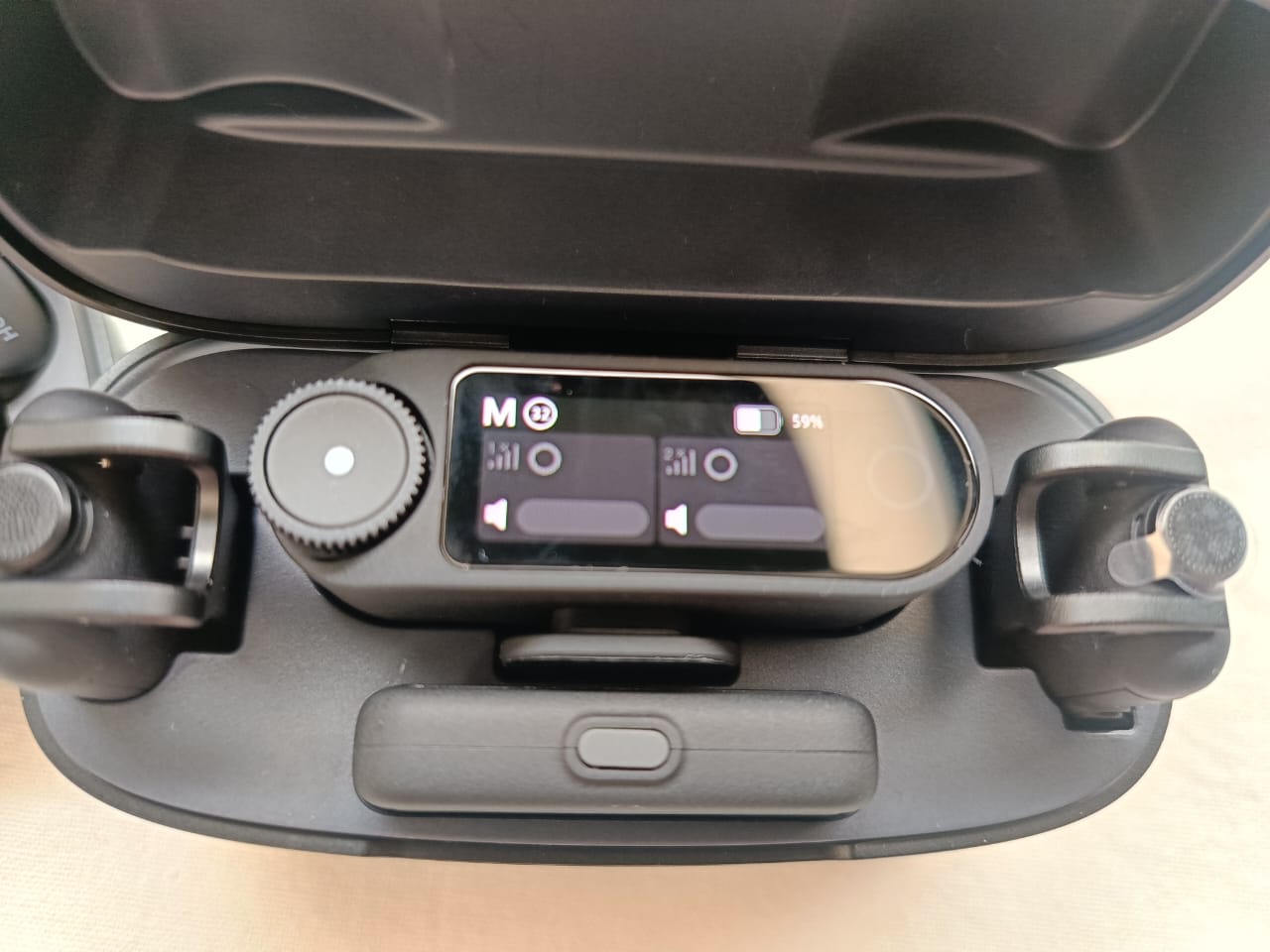
The settings menu also includes useful tools, such as recommended audio configurations for a wide range of cameras (though surprisingly not the Sony FX30) and options for controlling the transmitter LEDs. All the standard essentials are available too—stereo, mono, and safety track recording—though the receiver’s interface does take a few minutes to get used to. It relies on a mix of swipes, taps, a clickable scroll wheel, and a capacitive button.
The system also features a built-in timecode generator, allowing you to create frame-accurate references that make syncing your video with the transmitters’ internal audio recordings far easier during post-production.
Examining Timecode Sync in More Detail
Syncing audio and video from separate sources has always been a challenge in post-production. Traditionally, creators rely on a slate or a clap to generate a sharp visual and audio spike that can be aligned manually on the timeline. It works—but it’s time-consuming and not always precise.
Timecode offers the professional fix. It functions like a shared clock that labels every video frame and every audio moment with a unique timestamp (hours, minutes, seconds, frames). When all your gear—cameras and audio recorders—is synced to the same clock, your editing software can line everything up automatically with a single click, saving time and guaranteeing perfect accuracy.
The LARK MAX 2 sends its timecode as an audio pulse through one of your camera’s audio channels. Your editing software reads this subtle signal and uses it to sync your footage with the transmitters’ internal recordings instantly.
The trade-off is that you sacrifice one audio channel for the timecode signal. For example, on a stereo camera track, one channel carries your mic audio while the other is used exclusively for timecode. For creators who need flawless sync, this compromise is well worth it—especially since it brings a pro-level feature to a far more accessible price point than dedicated timecode systems.
A Novel Monitoring System
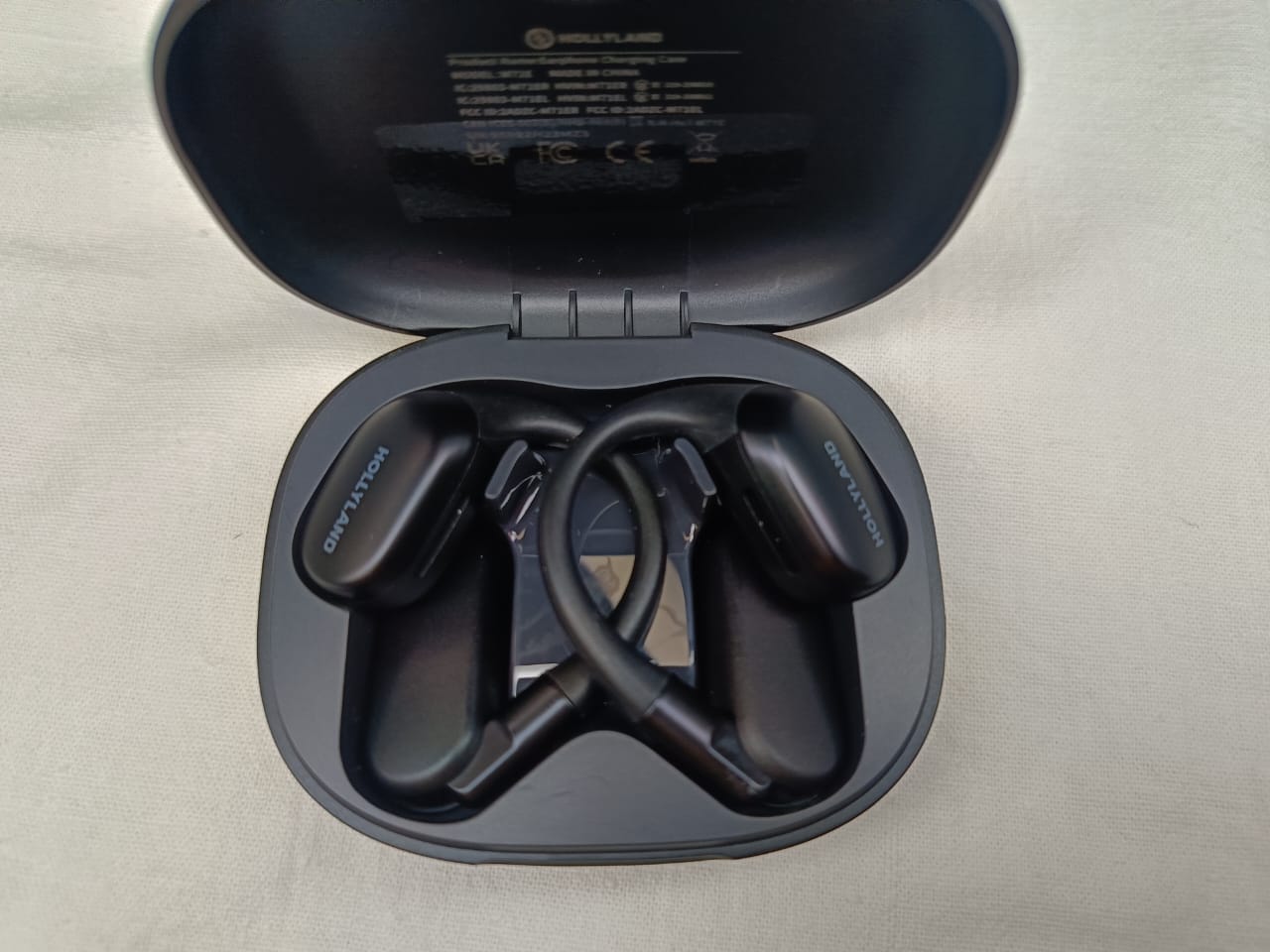
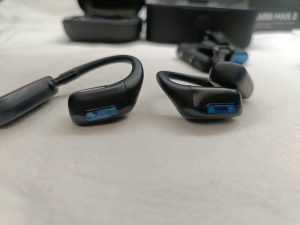
The Ultimate Combo kit also includes a pair of OWS (Open Wireless Stereo) monitor earphones, offering a fresh take on wireless audio monitoring. Instead of relying on Bluetooth, these earphones connect to the receiver using a dedicated 2.4 GHz wireless link, delivering ultra-low latency at just 25 ms. This allows camera operators or crew members to monitor audio from up to 100 meters away—completely cable-free.
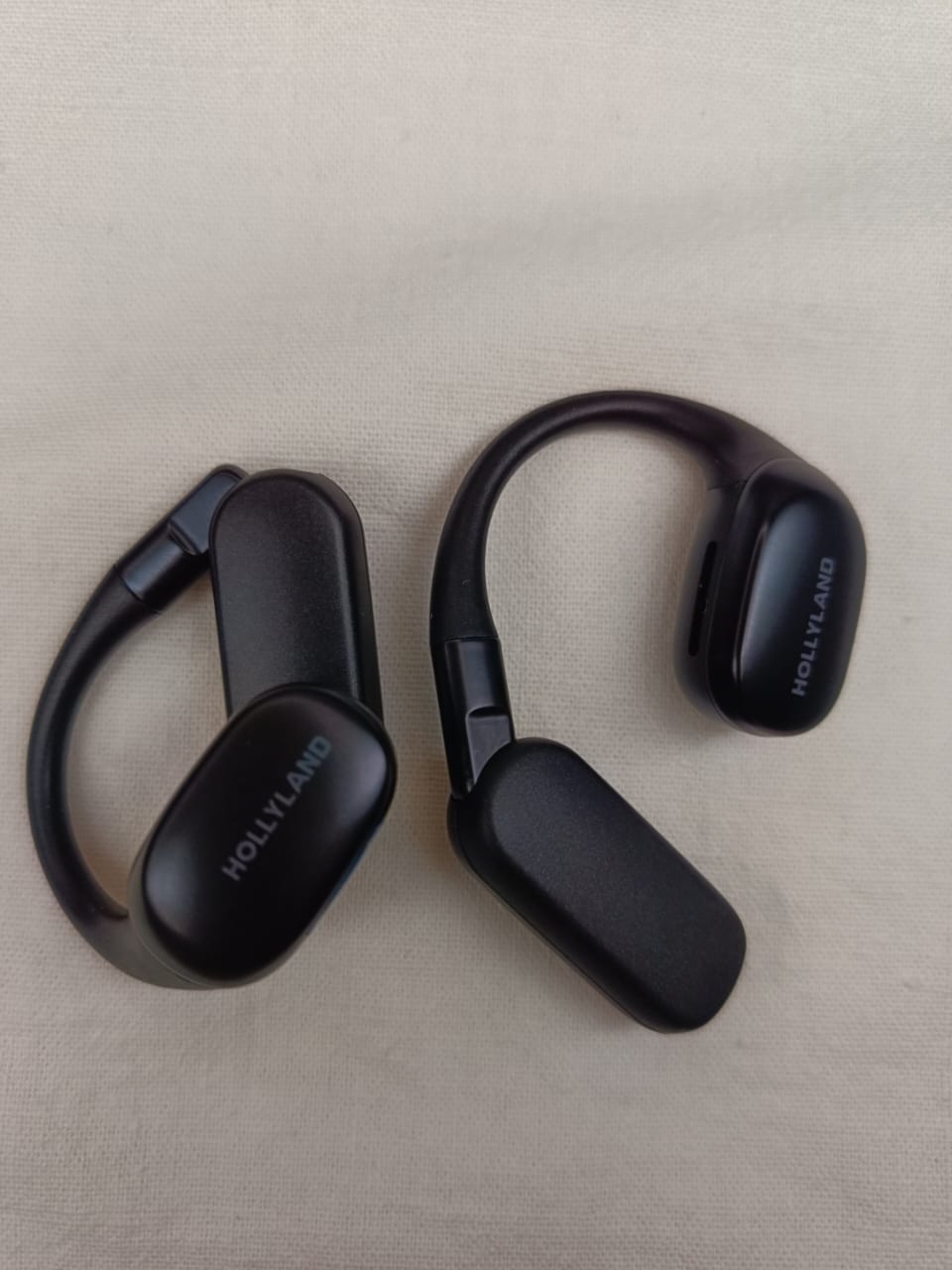
The open-ear design rests on the ear instead of sitting inside the ear canal. This provides two key advantages: greater comfort during long shoots and better awareness of your surroundings. The trade-off is reduced noise isolation, which may be less ideal in very loud environments. However, for most production situations, it remains a highly practical and effective monitoring solution.
Conclusion
The Hollyland LARK MAX 2 stands out as an exceptionally advanced and well-rounded wireless microphone system. It blends outstanding audio quality with a wide range of smart, practical features designed to solve real-world challenges for modern creators. With dual receivers, 32-bit float internal recording, and an innovative wireless monitoring setup, it ranks among the most versatile and future-ready audio kits on the market today.
The Hollyland LARK MAX 2 is a highly complete and innovative wireless microphone system. It successfully blends superb audio quality with a slew of sophisticated, practical features that solve real-world issues for multimedia creators. The presence of twin receivers, 32-bit float internal recording, and a unique wireless monitoring system make it one of the most adaptable products on the market today.
What I Loved:
- Excellent audio quality, rich and realistic vocal presence.
- Internal recording using 32-bit floats
- Extremely light transmitters
- The OWS wireless monitoring system is innovative.
- Comprehensive Ultimate Combo package offers everything required for many circumstances.

