

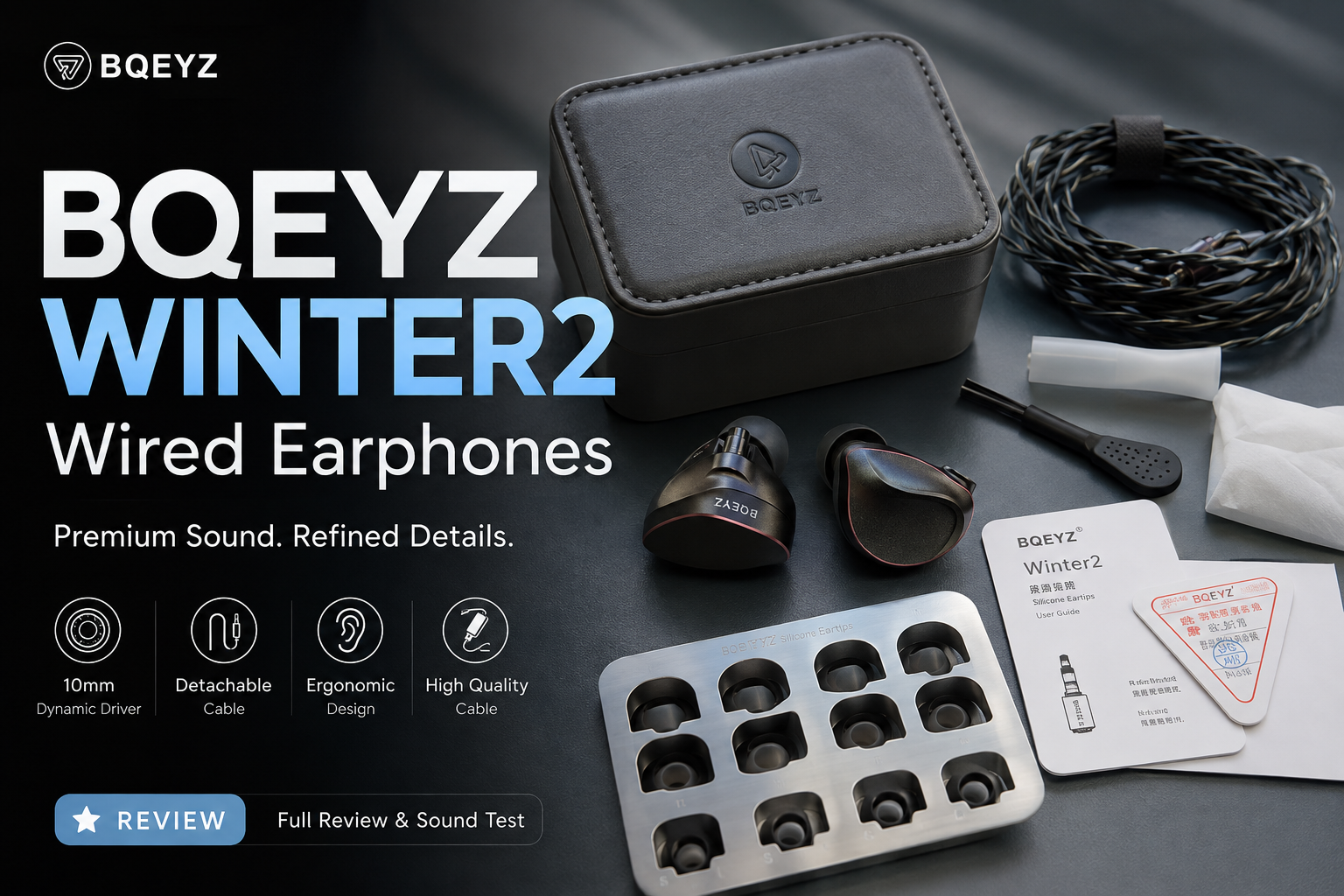
- What's in the Box
- What Bone Conduction Actually Means in an IEM
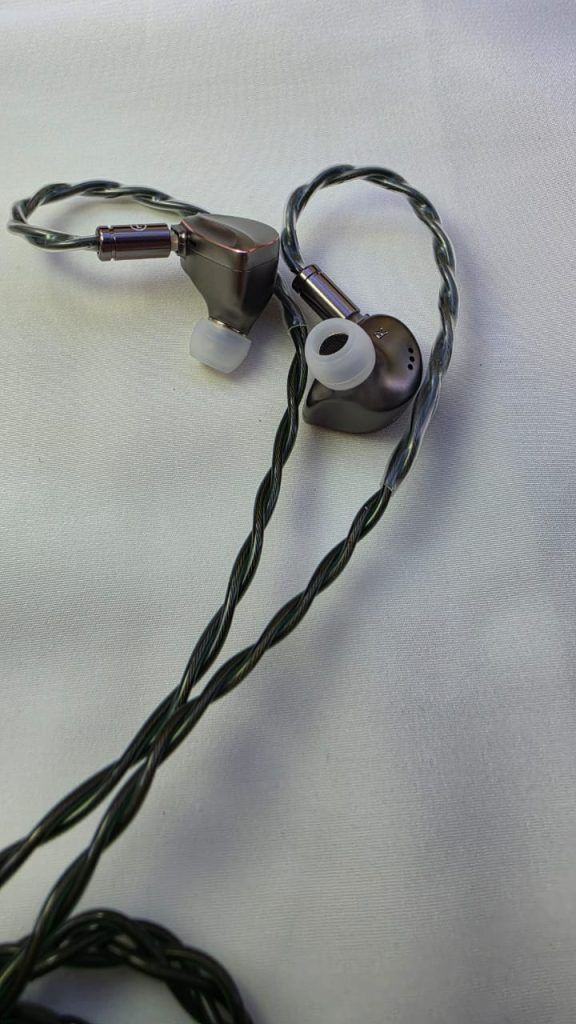
- Design and Build: CNC Aluminum with a Smaller Footprint
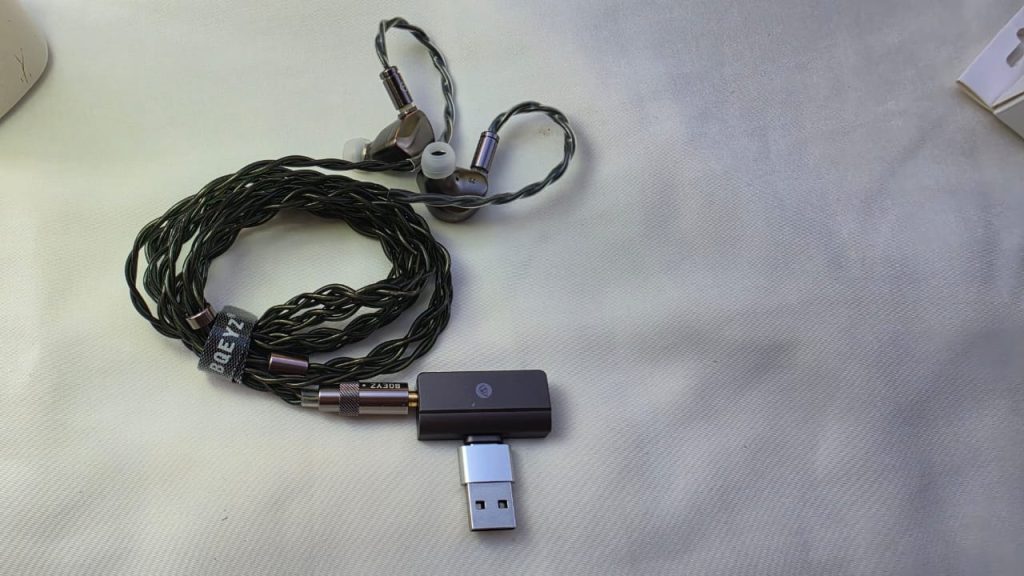
- The Cable: Single Crystal Copper with Swappable Plugs
- Sound Signature: Warm, Musical, and Mid-Centric
- Technical Specifications
- Who Should Buy the BQEYZ Winter2?
- How It Compares to the Original Winter
- Verdict
There’s a recurring tension in the IEM world between the pursuit of technical precision and the experience of actually enjoying your music. Charts and measurements can be optimized endlessly, but somewhere along the way an earphone can lose the warmth, body, and emotional pull that makes listening feel like something more than a test bench exercise.
BQEYZ — the Chinese audio brand behind the well-regarded Spring, Summer, Autumn, and Winter seasonal lineup — has consistently leaned toward musicality without abandoning technical chops. The Winter2 (also referred to as Winter II) is their latest flagship, and it carries forward one of the most unusual driver configurations in the sub-$350 IEM market: a hybrid pairing of a large dynamic driver for bass and midrange, and a piezoelectric bone conduction unit for mid-to-high frequency delivery.
This is not a gimmick. And understanding why requires a quick look at how bone conduction works in this context — and what it changes about the listening experience.
Price: $319.00 USD Available at: bqeyz.net
What’s in the Box
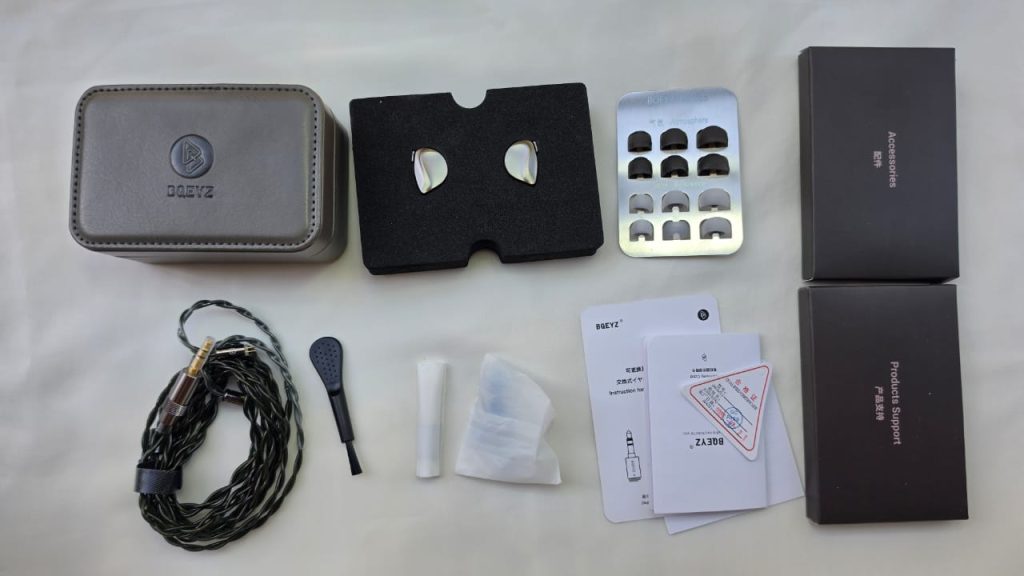
BQEYZ packages the Winter2 generously for the price:
- Winter2 IEM earphones
- Single crystal copper plated silver cable with swappable plugs
- Multiple pairs of ear tips (various sizes for fit customization)
- Carrying case
- Documentation
The ear tips selection is important to note — getting the right seal with the Winter2 is essential for both sound quality and the bone conduction driver’s effectiveness. BQEYZ includes multiple sizes precisely because the fit affects how well the PZT driver’s vibrations transfer through the shell to your ear. If the seal is loose, the bone conduction contribution diminishes noticeably. It’s worth spending a few minutes getting the fit right before reaching a final judgment on the sound.
What Bone Conduction Actually Means in an IEM
Most in-ear monitors work entirely through air conduction: a driver vibrates, moves air, and that pressure wave travels through your ear canal to your eardrum. It’s simple, effective, and the dominant technology across almost every IEM at every price point.
Bone conduction is different. Instead of moving air, it vibrates solid material — in the Winter2’s case, the earphone’s aluminum shell and a specially designed internal bracket — and those vibrations travel through the structures of your ear and skull directly to the cochlea, bypassing the standard air-conduction pathway for part of the frequency range.
The result isn’t a replacement for air conduction — it’s a supplement to it. The Winter2 uses its 12mm dual-cavity dynamic driver to handle bass and lower midrange the conventional way, while the 11.6mm piezoelectric bone conduction (PZT) unit takes over for the mid-to-high frequency range, contributing in a way that no standard balanced armature or dynamic driver can quite replicate.
What BQEYZ has done with the Winter2 specifically is upgrade the silver-palladium alloy composition of the bone conduction unit — increasing the palladium content by 2.5 times compared to the original Winter — which improves transmittance and makes the driver easier to move. The practical effect is a bone conduction unit that sounds more natural and less grainy than most implementations at this price, producing a treble texture that reviewers have repeatedly described as the most lifelike they’ve encountered across any BC IEM they’ve tested.
Design and Build: CNC Aluminum with a Smaller Footprint
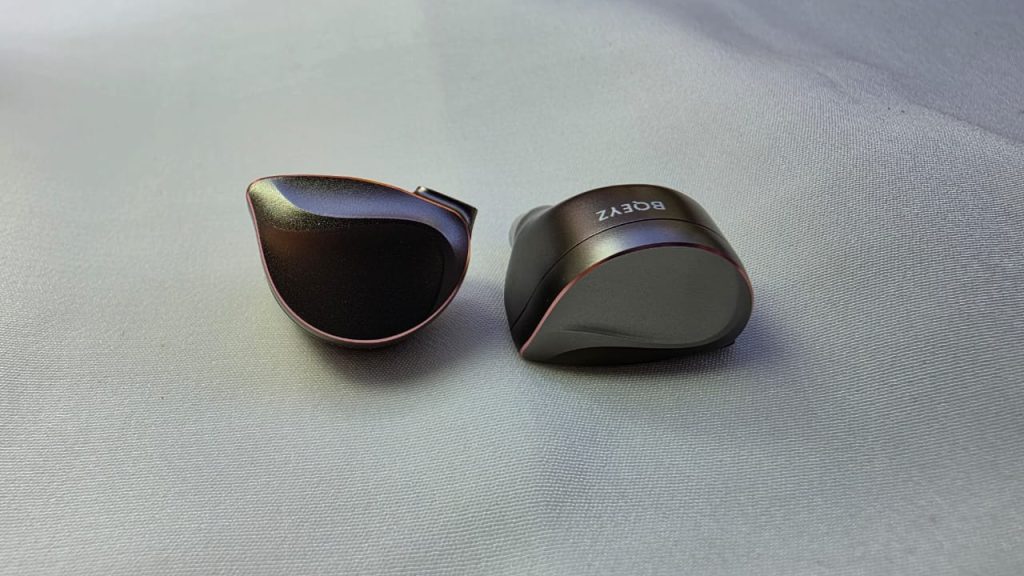
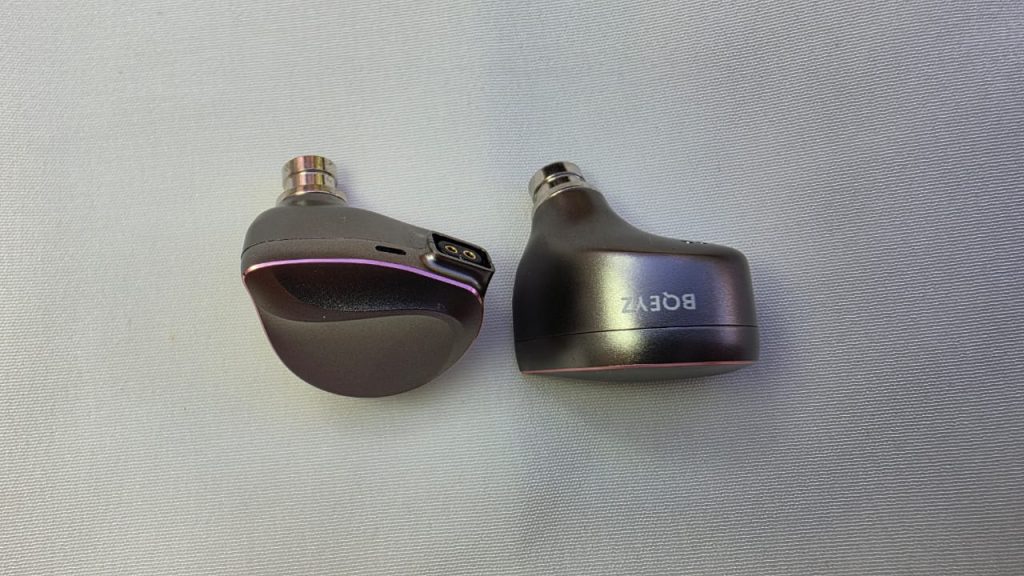
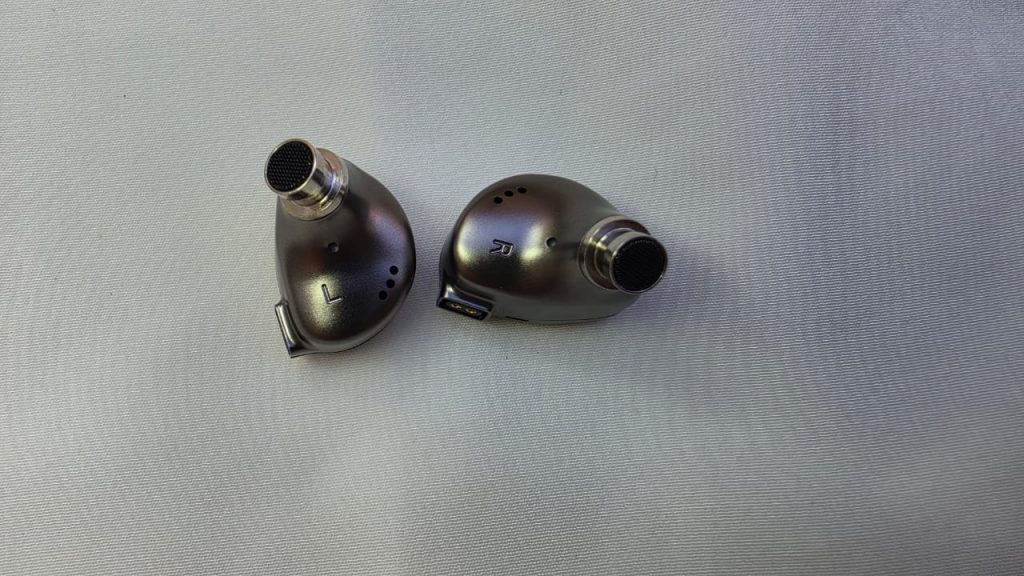
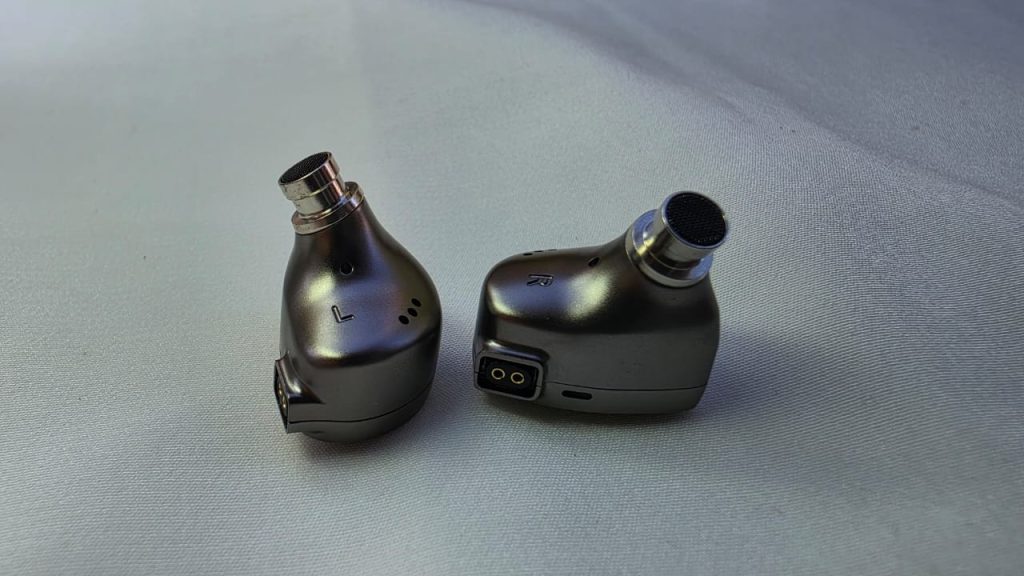
One of the original Winter’s genuine weaknesses was ergonomics. The shell was large enough that it didn’t fit all ears comfortably, and long listening sessions could become uncomfortable for smaller ear canal geometries.
The Winter2 addresses this directly. BQEYZ redesigned the shell with a more compact, ergonomically refined form factor — smaller and lighter than its predecessor while retaining the CNC-machined aluminum construction that the bone conduction driver actually requires. Aluminum isn’t just an aesthetic choice here: it’s structurally important. PZT bone conduction drivers need a rigid, acoustically conductive shell to work properly, and aluminum provides that while keeping weight manageable.
The curves of the Winter2 shell are designed to feel as good as they look. Available in two colorways — an eye-catching Green and a warmer Brown — the aesthetic is distinctly premium for the price tier. The bright curves are full of tension in the design language, and both colors photograph beautifully. These are earphones you’ll want people to notice.
The connectors use a standard 2-pin detachable system, which is one of the most common in the audiophile IEM space and ensures cable compatibility with a wide range of aftermarket options. Internally, the fit between driver and shell is precisely engineered to support how the bone conduction unit actually transmits vibration — it’s not just about looks.
The Cable: Single Crystal Copper with Swappable Plugs
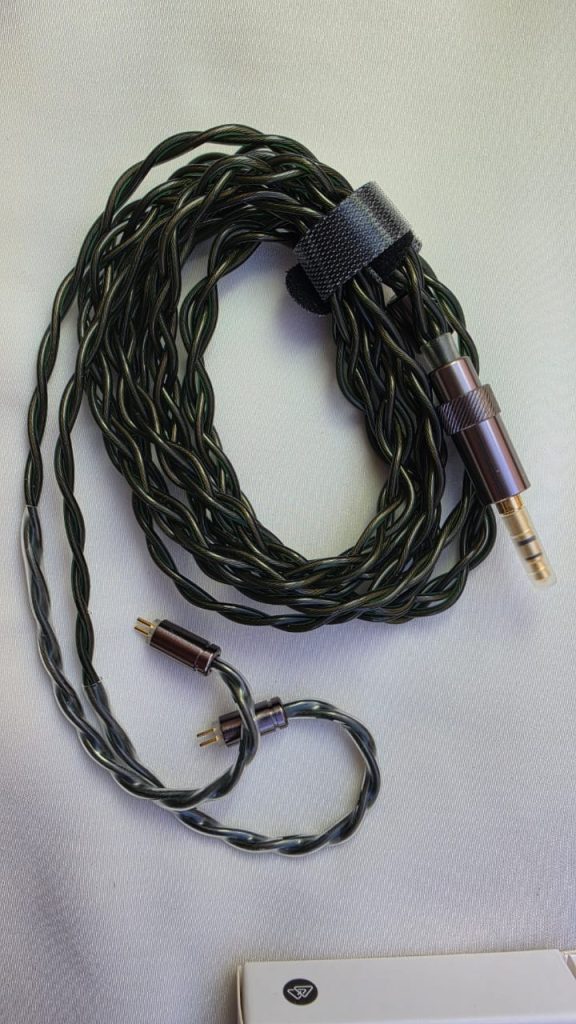
The included cable is a genuine highlight, not an afterthought. BQEYZ includes a single crystal copper plated silver cable that ships with multiple swappable plug options depending on the variant you choose:
- 3.5mm + 4.4mm — the most common configuration for players and DACs with standard single-ended and balanced output
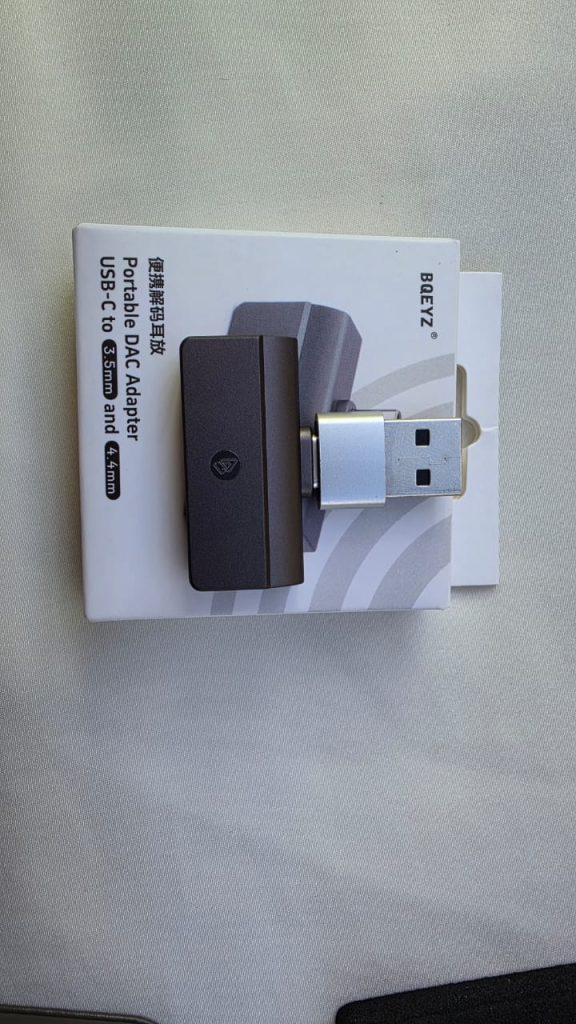
- Type-C + 3.5mm + 4.4mm — a more flexible three-way configuration for users who also want to connect directly to modern smartphones and DAC dongles via USB-C
The swappable plug system is one of the most practical features in this price range. Rather than buying a separate aftermarket cable to go balanced, you swap the plug — a simple mechanical change that takes seconds and doesn’t require any additional investment.
Crystal copper silver-plated cables are well-regarded for their combination of warmth (copper) and slight top-end clarity and air (silver plating), which pairs naturally with the Winter2’s warm but detailed sound signature. The cable also provides improved channel separation compared to a standard OFC cable, contributing to the overall sense of imaging precision.
Sound Signature: Warm, Musical, and Mid-Centric
The Winter2’s tuning represents a deliberate shift from the original Winter in a specific direction: warmer, more bass-forward, more focused on vocal presence and emotional engagement, and deliberately smoother and more forgiving in the upper registers.
Bass
The 12mm dual-cavity dynamic driver delivers bass that is weighty, textured, and physically involving. The dual-cavity design — where the driver operates in a larger acoustic space than a single-cavity layout allows — produces a low end that reaches deeper with more sub-bass extension than most 12mm drivers can manage. The result is bass that doesn’t just hit hard; it has body and dimension.
The bone conduction unit contributes to this through the physical vibration component — particularly for stage performers and drummers, who report that the tactile feedback through the shell makes rhythmic content feel natural and immersive in a way that purely air-conducting IEMs can’t match. You don’t just hear the bass; at higher volumes, you feel it in the structure of the earphone itself.
Compared to the original Winter, the Winter2 has noticeably more bass punch and sub-bass vibrancy. The tuning filter adjustment — one of the key changes in the Winter2 — specifically targets this, delivering what BQEYZ describes as a richer low-frequency “seismic sensation” while keeping the fundamental musicality of the Winter sound intact.
Midrange
This is where the Winter2 is at its most compelling. Both male and female vocals are rendered with a lush, forward, densely textured presence that creates a strong sense of proximity and even physical immediacy. The bone conduction driver’s contribution in the mid-to-upper midrange adds a naturalness to timbre — particularly on acoustic instruments and human voices — that reviewers consistently note as the Winter2’s defining characteristic.
The lower mids have good body and bite — there’s enough warmth to prevent the thin, hollow quality that can plague neutral-tuned IEMs, but the voice range doesn’t tip into muddiness. Acoustic guitar has weight and texture. Piano keys sound like they have physical mass. It’s a midrange that rewards well-recorded music but is forgiving enough not to punish less-than-perfect recordings.
Vocal lovers, specifically, will find the Winter2 exceptionally well-suited to their listening habits. R&B, soul, jazz vocals, singer-songwriter material, and acoustic pop are where this IEM genuinely excels.
Treble
The treble story in the Winter2 is about the bone conduction driver’s contribution — and it’s the most technically interesting part of the package. The PZT bone conduction unit provides crisp, detailed highs with genuine air and sparkle, while the tuning rolls off gently enough before the upper treble peaks that the overall experience remains smooth and non-fatiguing even during extended listening sessions.
Cymbals have a natural shimmer rather than the metallic artificial sheen that cheaper piezoelectric implementations produce. Strings have presence without shrillness. And critically, the Winter2 doesn’t produce sibilance or harshness in the presence region — the area around 6-8kHz that can make “s” and “sh” sounds in vocals uncomfortable over time. Treble-sensitive listeners who have found other IEMs at this price fatiguing should specifically consider the Winter2.
The trade-off compared to some brighter-tuned competitors is a slight limitation in ultimate treble extension and sparkle. If you prize resolution and air above all else, the Winter2’s warmer, smoother character will feel like a step back from something like a balanced armature-heavy tribrid. But that’s the wrong framing — the Winter2 isn’t trying to compete on measured resolution. It’s tuned for engagement and musicality, and on those terms it delivers.
Soundstage and Imaging
Soundstage width is good to very good for a closed-back IEM — the hybrid driver design genuinely opens up spatial presentation in a way that single-driver setups at this price typically don’t. Imaging — the ability to precisely locate instruments and voices within that soundstage — is one of the Winter2’s stronger technical attributes, with reviewers noting that separation is clear and instruments can be distinctly placed left, right, and in depth.
The presentation is immersive rather than expansive — this isn’t an IEM that sounds like you’re listening to a concert hall. It’s an IEM that sounds like you’re in the front row of an intimate venue, close enough to feel the music, with enough lateral space to hear distinct placement clearly.
Technical Specifications
- Driver configuration: 12mm Dual-Cavity Dynamic Driver (bass/mids) + 11.6mm PZT Bone Conduction Driver (mids/highs)
- Impedance: 40 Ω
- Sensitivity: 113 dB SPL
- Shell material: CNC-machined aluminum
- Connector: 2-pin detachable
- Cable: Single crystal copper plated silver, swappable plug
- Cable termination options: 3.5mm + 4.4mm / Type-C + 3.5mm + 4.4mm
- Colors: Green, Brown (Gray)
- Warranty: 1 year from date of purchase
- Price: $319.00 USD
Who Should Buy the BQEYZ Winter2?
The Winter2 is ideal for:
- Vocal music listeners — R&B, soul, jazz, singer-songwriter, acoustic pop. The lush, forward midrange and dense vocal texture are purpose-made for this.
- Bass enthusiasts who don’t want to sacrifice detail — the low end has impact and physical presence without bleeding into muddiness or overwhelming the mids.
- Long-session listeners — the non-fatiguing treble and smooth upper frequency presentation make multi-hour listening comfortable in a way that brighter IEMs at this price aren’t.
- Stage musicians and performers — the tactile bass feedback from bone conduction and the accurate mid-frequency monitoring make this a genuinely useful stage IEM, not just a HiFi showpiece.
- Audiophiles curious about bone conduction — the Winter2 is the most natural-sounding BC implementation in the sub-$350 range, and the cleanest entry point into understanding what bone conduction actually adds to the listening experience.
The Winter2 is less ideal for:
- Listeners who prize maximum technical resolution and treble extension above all else — a balanced armature tribrid at similar prices will measure higher and resolve more micro-detail.
- Those sensitive to physical fit challenges — the 2-pin over-ear cable and aluminum shell require a good seal to perform correctly, and IEM fit is always personal.
- Exclusively low-impedance source users — at 40 ohms, the Winter2 benefits from a proper DAC or DAC/amp dongle; it will work from a phone headphone jack, but it won’t show its best.
How It Compares to the Original Winter
The Winter2 is a successor, not a replacement for those who loved the original’s character.
The original Winter leaned more neutral and technical — cleaner attack, better-controlled transients, a slightly leaner but more resolved presentation. It was the more analytical option of the two. The Winter2 shifts the tonal balance toward warmth, bass weight, and vocal density — a more musical, more emotionally immediate character that makes some technical concessions to get there. Higher clarity and better attack control are areas where the Winter1 maintains an edge. The Winter2 wins on physical bass impact, vocal presence, and the natural smoothness of the bone conduction driver’s contribution.
For listeners who found the original Winter slightly thin or analytical, the Winter2 is the natural upgrade. For those who loved the original’s neutrality and precision, the Winter2 is a different-flavored option worth auditioning, not a straight replacement.
Verdict
The BQEYZ Winter2 is a confident, musically engaging flagship IEM built around one of the most unusual and genuinely effective driver configurations in its price class. Its hybrid dynamic and bone conduction setup produces a sound that is warm, lush, and physically involving — particularly for vocal content and bass-heavy music — while remaining detailed and technically accomplished enough to reward serious listening.
At $319, it competes with well-established options from brands including DUNU, Kinera, Moondrop, and Fiio. It doesn’t win on raw resolution metrics, and it won’t satisfy listeners who want a bright, reference-neutral tuning. But for listeners who want to feel connected to their music — who care about emotional impact as much as frequency response accuracy — the Winter2 delivers something that most of its competitors, at any price, can’t offer: bone conduction done right, tuned with genuine musical intent, in a package that’s actually comfortable to wear.
BQEYZ Winter2 — At a Glance
| Price | $319 USD |
| Driver | 12mm DD + 11.6mm PZT Bone Conduction |
| Best for | Vocal music, R&B, long sessions, stage monitoring |
| Sound character | Warm, lush, bass-forward, smooth treble |
| Cable | Single crystal copper silver-plated, swappable plugs |
| Impedance / Sensitivity | 40Ω / 113dB |
| Warranty | 1 year |
| Verdict | Recommended for musicality-first listeners |