- Samsung Galaxy Z Fold 8 Ultra
- Galaxy Fold 8 Ultra Design and Display
- Display Measurements
- Galaxy Fold 8 Ultra Camera
- Video Quality
- Galaxy Fold 8 Ultra Performance & Benchmarks
- Storage
- Galaxy Fold 8 Ultra Software
- Galaxy Fold 8 Ultra Battery
- PhoneArena Battery Test Results
- Galaxy Fold 8 Ultra Audio Quality and Haptics
- Galaxy Fold 8 Ultra Specs
- Should you buy it?
Samsung’s foldable lineup just got a major shake-up this year, with an entirely new form-factor joining the family. Whether you call it passport-style, short-and-wide, or squarish, the new Galaxy Fold 8 marks a bold step forward for foldable phones — and it arrives right as rumors point to the upcoming iPhone Ultra adopting a strikingly similar shape.
It’s still too early to say whether this new format will win over foldable fans long-term, or whether users will gravitate back to the classic form-factor that’s defined the category for the past seven years.
That’s likely why Samsung isn’t retiring the traditional design just yet. Alongside the new Fold 8, the company has also launched the Galaxy Fold 8 Ultra, the direct successor to last year’s Fold 7.
As with most 2026 flagship phones, the Galaxy Fold 8 Ultra comes with a higher price tag than ever — starting at $2,100. The good news: Samsung regularly runs discounts and trade-in promotions, so few buyers actually end up paying full price.
But does the “Ultra” name actually mean anything meaningful this year? Does it justify the extra $100 Samsung is charging?
That’s a tough, subjective question — but I’ll do my best to answer it in this review.
I’ve spent a full week testing a brand-new Samsung Galaxy Fold 8 Ultra unit, running it through PhoneArena’s full suite of testing procedures, including our Camera Score and Battery Score benchmarks.
What we like
- Super-slim, compact form-factor
- Incredible displays
- One UI 9 is refined and packed with useful functionality
What we don’t like
- The zoom camera is not impressive for an ultra phone
- No S Pen support
Galaxy Fold 8 Ultra Design and Display
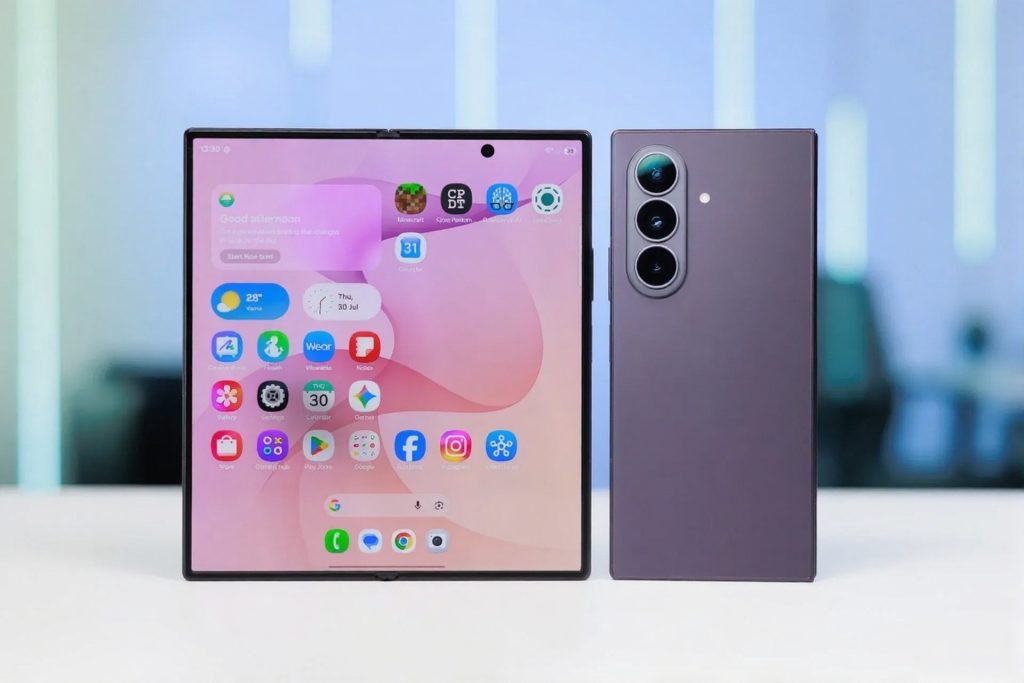
Not much has changed on the outside of Samsung’s flagship foldable. The Galaxy Fold 8 Ultra looks nearly identical to its predecessor — and that’s not a bad thing, since the design still feels fresh.
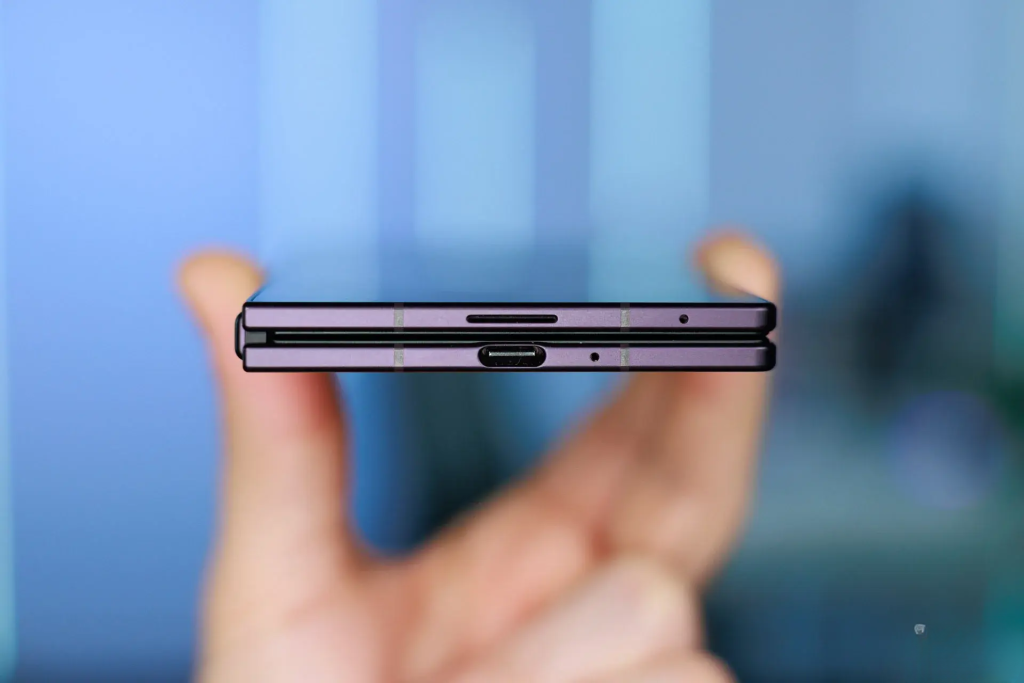
The Galaxy Fold 8 Ultra keeps its signature compact, super-slim profile. The dimensions haven’t changed, but the edges that make the most contact with your hand feel noticeably smoother this time around. The Fold 7 had some sharper edges, while the Fold 8 Ultra feels more refined in the hand.
The other notable design update is color options. The Galaxy Fold 8 Ultra comes in off-white, an online-exclusive lime, and three darker shades — best described as black, green, and purple undertones.
I generally don’t care much about a phone’s full color lineup, as long as there’s at least one shade I really like. But even I’ll admit I’m a bit let down by this year’s Galaxy Fold 8 Ultra color selection.
It’s hard to pinpoint why, but the options just feel uninspired. Samsung likely leaned into a more conservative, professional vibe — but for me, the colors just don’t land. The upside: white and black are both available, which should cover most buyers either way.
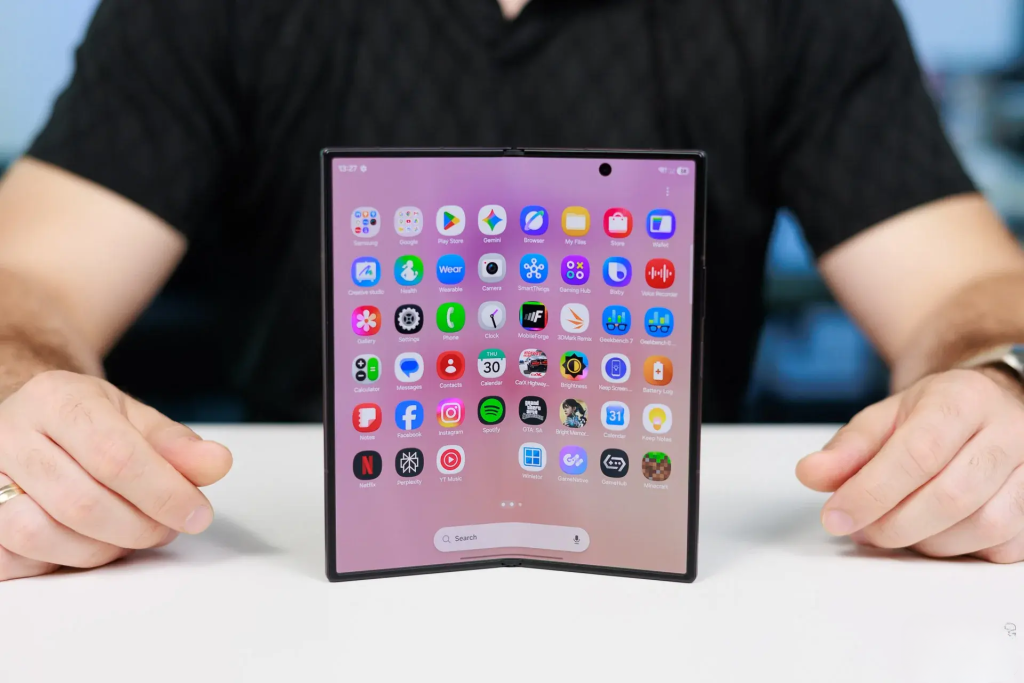
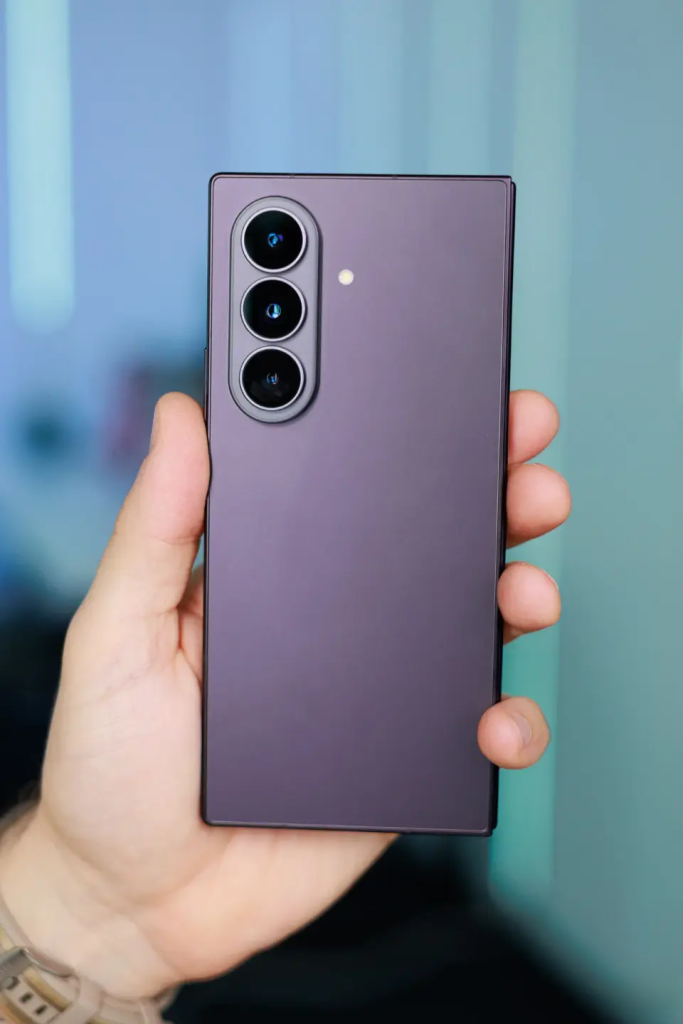


Still, if I were a Samsung designer, I’d take some cues from Honor’s Magic V6, whose color variants have just enough personality to feel cool and interesting without going overboard.
Sometimes, though, things just work — and don’t need fixing. By that logic, the Galaxy Fold 6 actually offered one of the better color lineups in the series.
That said, the Galaxy Fold 8 Ultra is still a genuine looker. We’ve lost count, but it’s likely still the slimmest foldable phone on the market — and it’s remarkably cute in hand. Unfold it, and the thinness is honestly mind-boggling.
My one real complaint: that thinness comes at a cost — S Pen support. The Fold 8 Ultra once again skips stylus compatibility, which stings given its beautiful 8-inch display with virtually no visible crease. More on the display shortly.

The Galaxy Fold 8 Ultra may look the same from the outside, but there are some genuinely welcome upgrades happening underneath.
A new titanium hinge, paired with a titanium plate beneath the display, reinforces both the folding mechanism and the screen — making the phone noticeably more durable. The flexible panel can now better withstand pressure, and Samsung claims both the screen and hinge handle drops and impacts more reliably. I’ll admit I didn’t stress-test these durability claims myself, so I’m taking Samsung’s word on that front.
Still, this is a major improvement that shouldn’t get overlooked just because it’s happening under the hood. Long-term durability remains one of the top concerns for anyone considering a foldable phone, so upgrades like this matter a lot more than they might seem at first glance.
Beyond the added strength, I can also confirm that opening the Fold 8 Ultra now feels noticeably smoother and more effortless. The entire hinge mechanism feels more refined and polished than before.
Then there’s the question everyone asks: what about the crease? Every year brings talk of reducing — or even eliminating — the crease entirely. The truth is, foldable phones have already come a remarkably long way in this department. The Galaxy Fold 8 Ultra isn’t quite crease-free, but it’s easily one of the best I’ve seen (right alongside the standard Fold 8). It’s another solid step in the right direction.
Now, let’s talk display!
The cover screen is still the same cute 6.5-inch panel — gorgeous, but best suited for quick, surface-level tasks rather than full immersion.
Don’t get me wrong, it’s spacious enough for most essential tasks. But once you have quick access to that beautiful 8-inch canvas inside, you won’t want to linger on the cover screen for long.
Speaking of the internal display, it’s been upgraded to reach even higher brightness levels: we measured close to 2,900 nits of peak brightness (20% APL), up from 2,500 nits last year.
Resolution has also increased, now sitting at 2256 x 2504 pixels, up from 1968 x 2184 pixels. That bumps pixel density from 368 ppi to 422 ppi — a meaningful upgrade in sharpness.
So there you have it: Samsung did upgrade the OLED technology inside the Galaxy Z Fold 8 Ultra, and that’s genuinely great news. To me, though, bringing back S Pen support would have been a far more substantial upgrade, since it unlocks features no amount of display improvement can replicate.
That missed opportunity feels even bigger now that the display is essentially flat, with barely any interruption at the fold.
On the bright side, Samsung is leaning hard into the new foldable structure — including dual titanium layers beneath the flexible OLED panel, which further boosts display durability. That’s excellent news for anyone shopping for a new foldable.
There’s also the long-term wear factor to consider. Foldable displays are inherently soft and tend to pick up microscratches over time, and on some models, the crease can become more visible with age. Samsung’s new titanium structure aims to solve this, promising the Galaxy Fold 8 Ultra’s display stays flat and nearly crease-free even years down the line.
Only time will tell if that holds up — but there’s no rush to find out.
Check out our in-depth lab display measurements of the Galaxy Z Fold 8 Ultra for the full technical breakdown.
Display Measurements
As usual, Samsung has gone with a side-mounted fingerprint scanner, which works reliably without any issues.
The fingerprint registration process also feels faster and more effortless this year, which is a nice touch.
There’s also the standard basic face recognition, which can’t be used for high-security tasks like authorizing payments, but works well for everyday convenience — like quickly unlocking the phone.
Galaxy Fold 8 Ultra Camera
We can talk all we want about the “Ultra” camera on the Galaxy Fold 8 Ultra, but the truth is, you’ll look at the sample photos and videos below and decide for yourself whether it suits your taste.
My take: it’s a capable, dependable camera system that consistently delivers great shots across a wide range of shooting conditions. That said, I wouldn’t quite call it “ultra” at this point.
I get why Samsung wanted to differentiate the new Fold 8 (wide) from the classic Fold 8 Ultra (square) — and camera performance felt like a reasonable way to draw that line. The issue is that mobile camera technology, including in foldables, has advanced significantly over the past couple of years, and what the Galaxy Fold 8 Ultra offers here isn’t exactly cutting-edge.






 +
+
The main 200MP camera is genuinely great. It features a capable 1/1.3-inch sensor and a wide f/1.7 aperture, making it versatile across most shooting scenarios. That versatility is both a strength and a weakness, though — the phone frequently defaults back to the main camera when you try to zoom in, especially in darker environments.
Why does this happen? Because the 3x telephoto is still stuck with a basic 10-megapixel, 1/3.94-inch sensor that only performs well under ideal lighting conditions. I’m honestly not impressed by the zoom capabilities on the Galaxy Fold 8 Ultra, and this is likely the single most important area Samsung needs to address for the Fold 9 series.
Samsung really needs to add a proper periscope zoom with a larger sensor if it wants to keep calling this an “ultra” foldable with a straight face.
Still, ultrawide fans will be pleased to know the ultrawide camera has been upgraded to a new 50MP sensor, capturing noticeably more detail and cleaner shots than before.
That’s my full breakdown of the Galaxy Fold 8 Ultra’s camera system. It’s far from bad — most photos come out genuinely likable, and Samsung’s processing remains strong across exposure, color accuracy, and overall consistency. If you’ve used a modern Galaxy S or Fold camera before, you already know roughly what to expect here.
The zoom performance, though, is in serious need of an upgrade.
One thing worth noting: like other recent Galaxy flagships, the Fold 8 Ultra requires a fairly steady hand — it’s easy to end up with slightly blurry shots, particularly in low light.
Video Quality
The same observations from the photo section apply to video recording as well. If you’ve seen footage from a modern Galaxy camera before, you already know what to expect here.
It’s generally great and dependable across the board. On top of that, Samsung lets you switch between cameras mid-recording without stopping the video, which is a genuinely convenient feature.
Galaxy Fold 8 Ultra Performance & Benchmarks
The Snapdragon 8 Elite Gen 5 for Galaxy delivers another notable performance jump, but the demanding thermals inside a foldable chassis mean it can’t quite reach its full potential here.
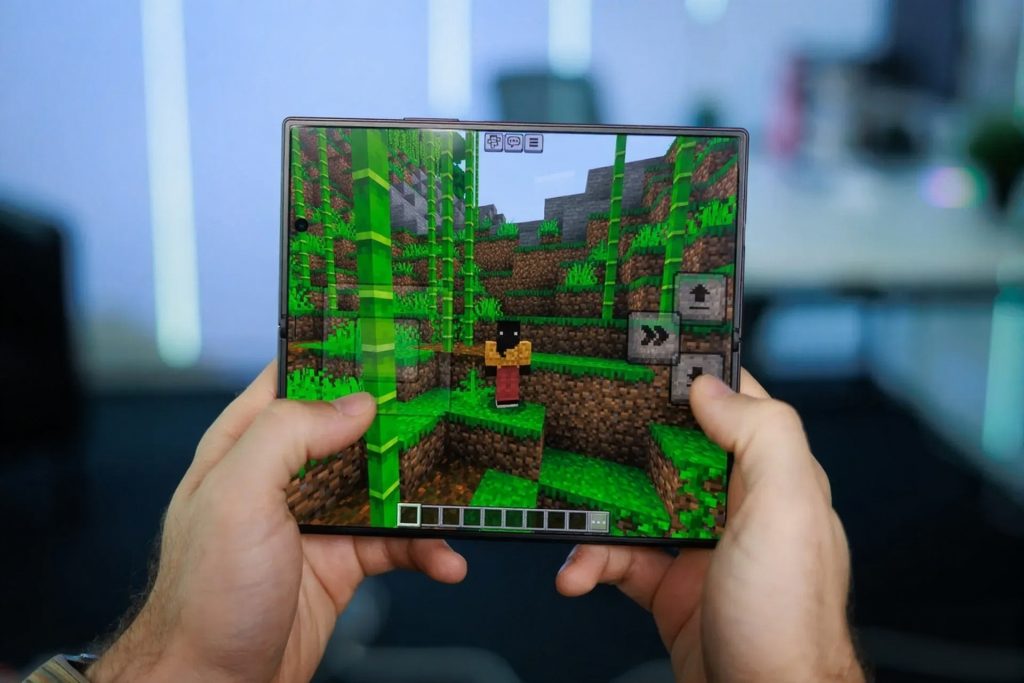
In my Samsung Galaxy Fold 8 Ultra hands-on, I mentioned how excited I was about the Snapdragon 8 Elite Gen 5 for Galaxy chipset making its way to the Fold line.
And the performance gains are real: we measured roughly a 10% increase in CPU speed and about a 25% increase in GPU performance — genuinely impressive numbers.
That said, foldable phones face a unique challenge: their ultra-slim bodies make thermal management even harder than on standard phones. Because of this, the Fold 8 Ultra can’t unlock the full performance potential of the Elite Gen 5 chip. If you want that, you’ll need a non-folding flagship instead.
Even with that form-factor limitation, the new chip still delivers noticeably stronger performance than last year’s Fold 7, making this a genuinely worthwhile upgrade.
One thing I noticed: Samsung keeps the Galaxy Fold 8 Ultra impressively cool. Even under heavy load, it only gets moderately warm at most.
It almost feels like there’s untapped headroom here — like allowing the phone to run slightly warmer could squeeze out extra performance. That said, this is just my subjective take. Samsung’s engineers clearly know what they’re doing, and the current thermal profile is likely optimized based on far more data than I have access to.
Storage
The Samsung Fold 8 Ultra comes with 256GB, 512GB, or 1TB built-in storage. The 256GB and 512GB models are equipped with 12GB RAM, and the top-end, 1TB one has 16GB RAM, as usual with Samsung’s latest releases.
Galaxy Fold 8 Ultra Software
The Galaxy Fold 8 Ultra introduces One UI 9, Samsung’s latest software, built on Android 17. While it doesn’t yet include the new bubble app minimization interface, it does lean harder into proactive Galaxy AI features.
Whether you’re excited about these AI additions or not is a matter of personal preference, but they’re there if you want to try them.
The Now Nudge feature aims to surface useful “next steps” based on context. For example, if you’re mid-conversation on Samsung Messages and someone suggests meeting up soon, Now Nudge might recommend open slots in your calendar or nearby meeting spots. Personally, I’m not especially won over by this feature.
Beyond the usual Now Nudge and Now Brief tweaks, My FanCam is a genuinely more useful addition, at least in my experience. It lets you record a wide scene with multiple people, then automatically reframes and crops new vertical clips that track and focus on one specific person.
There’s also a range of smaller refinements — fade in/out animations, redesigned drop-down toggle menus, and updates to essential apps like the Gallery, which now includes new AI and non-AI editing tools to help you polish your shots further.
Galaxy Fold 8 Ultra Battery

Samsung is finally delivering some much-needed upgrades to the battery specs.
Chief among these is the new 5,000mAh silicon-carbon battery, which brings a 13.6% increase in capacity over last year.
We can joke all day about Samsung being late to the party, or about this battery still being noticeably smaller than what’s found in competing Chinese phones — but it’s worth remembering that Samsung operates on a much bigger scale than those brands. It has a far larger global reputation to protect, spanning countless product categories, so it can’t afford to rush into unproven technology or make risky bets.
For one, any new battery tech needs sufficient manufacturing scale, and silicon-carbon battery production hasn’t fully reached that level yet. And second, I understand why Samsung might want to stay conservative here, especially with batteries. Remember the Note 7?
In short, Samsung simply has more to lose than its smaller, bolder competitors, which likely explains why it tends to adopt new technologies more cautiously. Apple follows a similar pattern.
That said, the new 5,000mAh Si-Ca battery is a welcome addition. Our PhoneArena Battery Score doesn’t currently show an overall jump in battery life, for some reason — the web browsing test result, in particular, actually comes in lower than the Fold 7’s. I’ll dig deeper into where that discrepancy is coming from. It’s been a while since I used the Galaxy Fold 7, but in daily use, the Fold 8 Ultra feels like it lasts at least as long. That’s admittedly not the improvement we’d hope for, but it could come down to software optimization — we’ll keep an eye on future updates and retest the battery once they roll out.
The capacity increase itself isn’t massive. Samsung didn’t go as big as the 6,660mAh battery inside the Honor Magic V6. Still, a 5,000mAh battery in the Fold 8 Ultra should mean a bit less end-of-day battery anxiety — but make no mistake, this is still not a two-day phone.
PhoneArena Battery Test Results
Charging speed is another area that’s been overdue for an upgrade, and it’s finally here. In typical conservative Samsung fashion, wired charging jumps from 25W to 45W — not groundbreaking by industry standards, but still a solid improvement that makes a noticeable difference in daily use.
Wireless charging also gets a bump, rising from 15W to 20W, though that upgrade is admittedly more modest.
Galaxy Fold 8 Ultra Audio Quality and Haptics
Thankfully, Samsung managed to fit some genuinely decent stereo speakers into the Galaxy Fold 8 Ultra, despite the impossibly tight internal space.
These aren’t the fullest-sounding speakers around, but they hold up well against phones like the S26 Ultra — you won’t be missing out on much fidelity here. Loudness and low-frequency output are solid for a flagship of this caliber, and the sound stays fairly clear and well-controlled without turning muddy.
As for haptics, I have no complaints. Everything performs exactly as it should.
Galaxy Fold 8 Ultra Specs
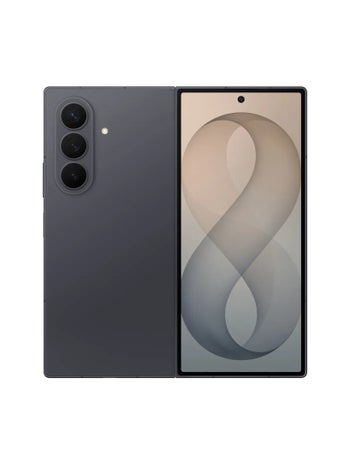 | 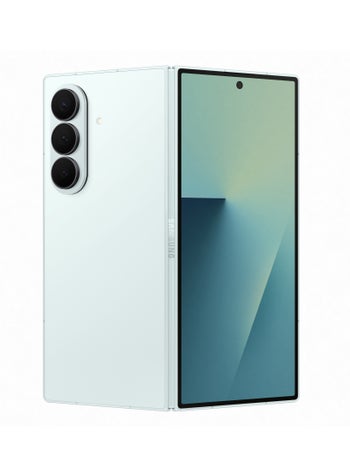 |
| Samsung Galaxy Z Fold 8 Ultra | Samsung Galaxy Z Fold 7 |
| Dimensions | |
|---|---|
| 158.4 x 143.2 x 4.1 mm (~9.19 mm with camera bump) | 158.4 x 143.2 x 4.2 mm (~8.6 mm with camera bump) |
| Weight | |
| 215.0 g | 215.0 g |
| Size | |
|---|---|
| 8.0-inch | 8.0-inch |
| Type | |
| Dynamic AMOLED, 120Hz | Dynamic AMOLED, 120Hz |
| System chip | |
|---|---|
| Snapdragon 8 Elite Gen 5 for Galaxy SM8850-1-AD (3 nm) | Snapdragon 8 Elite for Galaxy SM8750-AB (3 nm) |
| Memory | |
| 12GB (LPDDR5X)/256GB (UFS 4.0) 12GB/512GB 16GB/1TB | 12GB (LPDDR5X)/256GB (UFS 4.0) 12GB/512GB 16GB/512GB |
| Type | |
|---|---|
| 5000 mAh | 4400 mAh |
| Charge speed | |
| Wired: 45.0W Wireless: 20.0W | Wired: 25.0W Wireless: 15.0W |
| Main camera | |
|---|---|
| 200 MP (OIS, PDAF) Sensor name: Samsung ISOCELL HP2 Aperture size: F1.7 Focal length: 24 mm Sensor size: 1/1.3″ Pixel size: 0.6 μm | 200 MP (OIS, PDAF) Sensor name: Samsung ISOCELL HP2 Aperture size: F1.7 Focal length: 24 mm Sensor size: 1/1.3″ Pixel size: 0.6 μm |
| Second camera | |
| 50 MP (Ultra-wide) Sensor name: Samsung ISOCELL JN3 Aperture size: F1.9 Focal Length: 13 mm Sensor size: 1/2.5″ Pixel size: 0.7 μm | 12 MP (Ultra-wide) Sensor name: Sony IMX564 Aperture size: F2.2 Focal Length: 13 mm Sensor size: 1/2.55″ Pixel size: 1.4 μm |
| Third camera | |
| 10 MP (Telephoto, OIS, PDAF) Sensor name: Samsung S5K3K1 Optical zoom: 3.0x Aperture size: F2.4 Focal Length: 67 mm Sensor size: 1/3.94″ Pixel size: 1.0 μm | 10 MP (Telephoto, OIS, PDAF) Sensor name: Samsung S5K3K1 Optical zoom: 3.0x Aperture size: F2.4 Focal Length: 67 mm Sensor size: 1/3.94″ Pixel size: 1.0 μm |
| Front | |
| 10 MP (HDR) | 10 MP (HDR) |
Should you buy it?
At the end of the day, there isn’t much wrong with the Galaxy Fold 8 Ultra. It’s a genuinely solid foldable phone across the board. Could it have been even better with a more powerful zoom camera or S Pen support? Absolutely. But if those features aren’t dealbreakers for you — and they likely aren’t for most people — this is a fantastic device that should serve you well for years.
So, should you buy the Galaxy Fold 8 Ultra?
If you own the Fold 7 — no, this isn’t the upgrade for you. Sure, if you need the latest and greatest no matter what, nothing’s stopping you. But realistically, there’s not enough here to meaningfully improve your day-to-day experience.
If you’re coming from the Fold 6 — it depends on how much you value the S Pen, and whether you’re eager to move to a slimmer design. The Galaxy Fold 6 is still a genuinely great phone with a distinctive style, so if the thicker profile doesn’t bother you, you likely won’t gain much from upgrading.
If you’re using a Fold 5 or older — the Fold 8 Ultra should feel like a significant upgrade overall, especially if losing the S Pen isn’t a dealbreaker for you.
As mentioned earlier, the Fold 8 Ultra is not cheap. Pricing starts at $2,100 for 256GB, climbs to $2,300 for 512GB, and tops out at a steep $2,700 for the 1TB model.
That’s a serious amount of money, but Samsung typically has solid ongoing deals to offset the cost.
If you’re upgrading from an existing Fold, definitely take advantage of a trade-in offer — it can meaningfully lower what you actually pay out of pocket. So don’t pay full price right away. Check Samsung’s website or your carrier for current promotions, and consider waiting a few months, since better deals often follow.