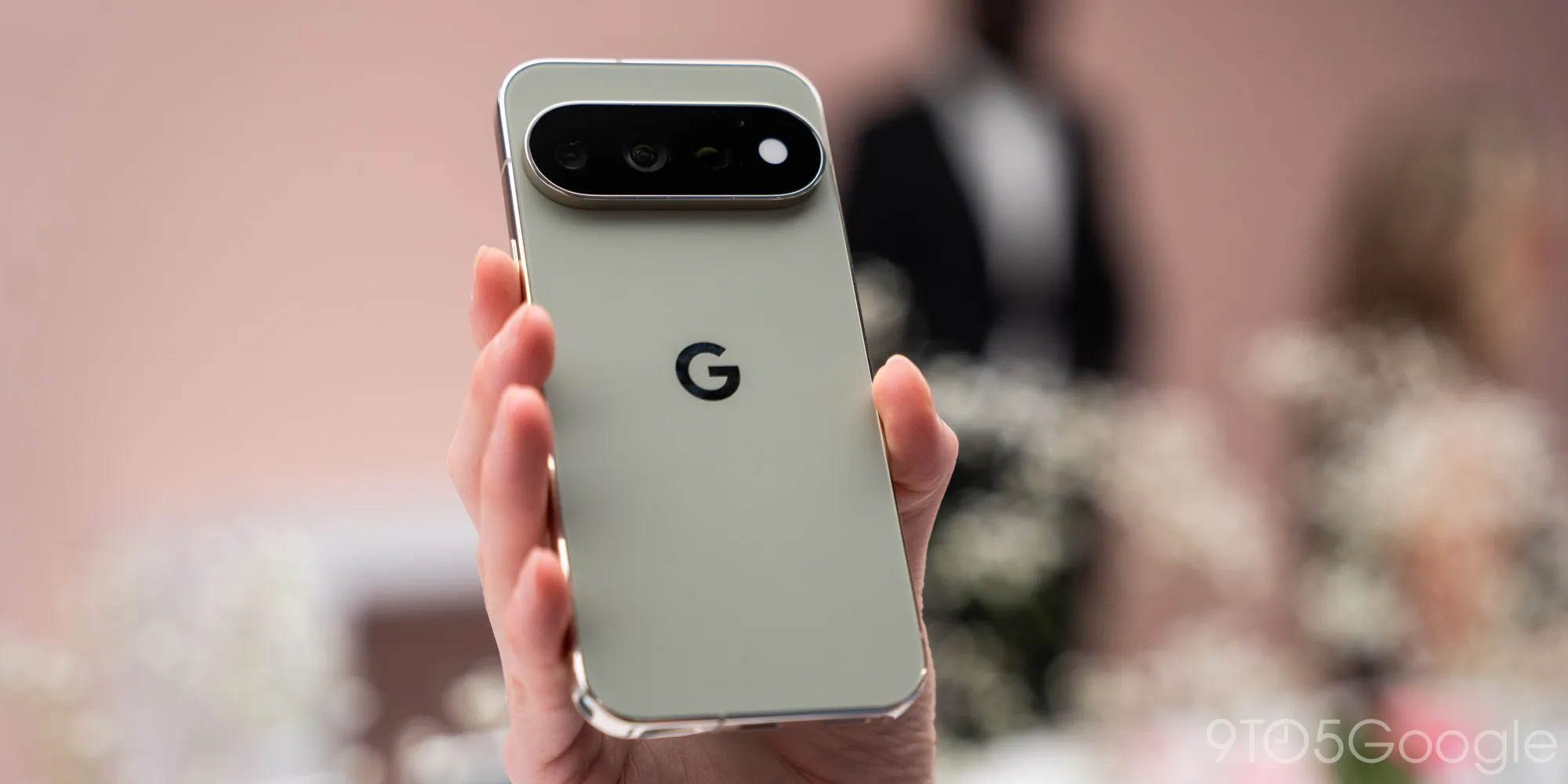
The Pixel 11 Pro is the most underwhelming flagship phone I’ve tested in years.
Not because it’s a bad device — quite the opposite — but because it fails to justify any of the pre-launch hype.
There are new features here, of course, but I’d question whether the Pixel 11 Pro is even an upgrade over last year’s Pixel 10 Pro. With a massive price gap between the two, Google itself is nudging buyers toward the older phone — and that’s exactly where I think you should be headed, too.
Here’s why the Pixel 10 Pro is a better buy than the Pixel 11 Pro.
HiLight is Google’s dumbest feature in years
The flagship feature on Google’s new Pixel 11 Pro is… a notification light. Seriously.
HiLight launched to plenty of fanfare, but its scope at launch is incredibly limited. It flashes when you get an incoming call from a starred contact, or pulses depending on what Google’s Gemini AI assistant is doing. That’s it.
If you care about intentional smartphone use, HiLight is not a valid solution
To make matters worse, one of HiLight’s key customisation features isn’t even available yet. Instead of choosing specific colours for each contact, everyone shows up in the same pale blue. What was Google thinking?
It doesn’t look like HiLight will improve much either. Google has committed to adding support for starred contact messages, but there’s no mention of third-party app support. It’s a genuinely baffling feature — the biggest gimmick I’ve seen on a Pixel phone in years.
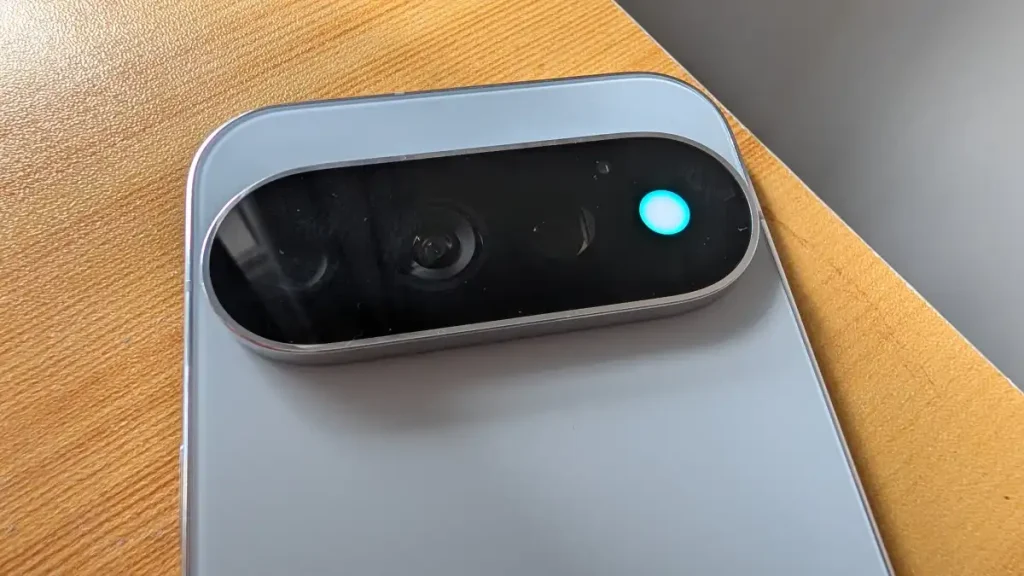
Google says HiLight will help you “stay informed without having to look at your screen.” But multiple studies suggest that simply having a smartphone nearby can hurt cognitive performance, including concentration and attention. If intentional smartphone use matters to you, HiLight isn’t a real solution.
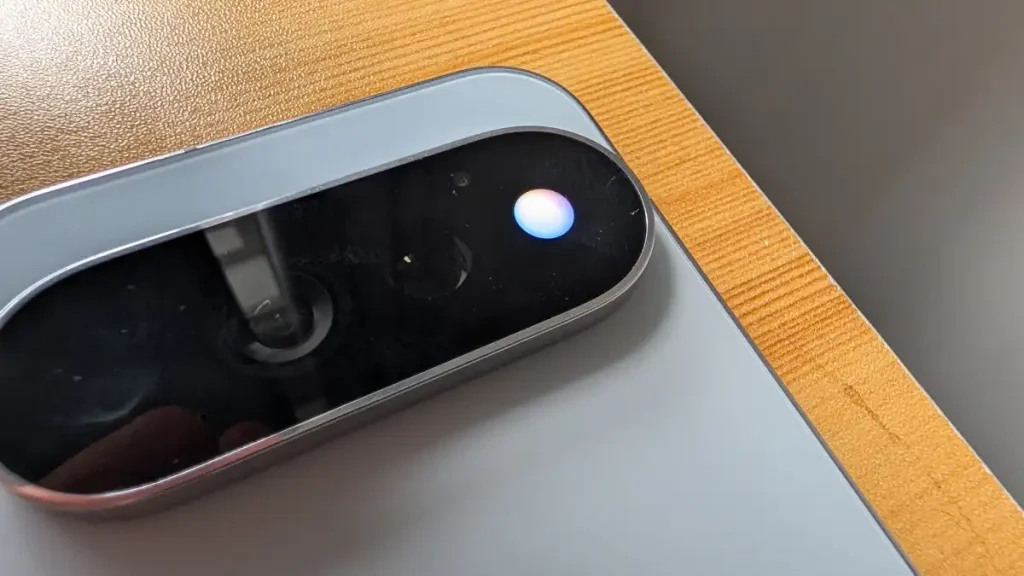
Of course, you can turn HiLight off in Settings. But that defeats the point of having the feature at all, and leaves you with a large white blob on the back of the phone. Why not just get the Pixel 10 Pro instead, which has a superior design and means you never have to deal with it in the first place?
Pixel 11 Pro RAM Downgrade: Why It Doesn’t Matter (But Neither Do the ‘Upgrades’)
Much has been made of Google downgrading the base Pixel 11 Pro models from 16GB to 12GB of RAM. RAMageddon is almost certainly to blame, and it’s a tough pill to swallow… until you actually start using the phone.
In my early experience, the Pixel 11 Pro is every bit as fast as the Pixel 10 Pro XL I’ve used extensively. Rapid multitasking — which puts a lot of strain on RAM — has been practically flawless. With Android 17 highly optimised for Pixels, I don’t expect performance issues, even while gaming.
Unfortunately, there are no new features that meaningfully improve the experience, either. The Tensor G6 and new MediaTek modem are welcome additions, but there’s no sign of either transforming performance or connectivity.
I fail to see a single upgrade that justifies buying the Pixel 11 Pro over the 10 Pro
The 50MP main and 48MP telephoto cameras are both new sensors, but early testing suggests results will be very similar to last year’s. Magic Capture, the big new AI camera feature this year, works better than expected, but I still wouldn’t trust it to effectively and consistently capture my best memories.
The only real camera improvement that makes a difference is the dramatically reduced shutter lag, especially when using Night Sight in low light.
The photos I’ve taken so far (see a selection below) are undoubtedly very good. But are they noticeably better than the Pixel 10 Pro’s? I’d argue no.
The Pixel 10 Pro is hundreds cheaper (and looks better)
If the Pixel 11 Pro wasn’t already a tough sell, the current price of its predecessor makes the decision even easier.
At the time of writing, you can pick up the Pixel 10 Pro from Amazon UK for just £799 — that’s £200 off its £999 RRP. Compare that to the Pixel 11 Pro, which starts at £1,079, and there’s no contest.
I’d argue that the Pixel 10 Pro actually looks better than its successor
Sure, you get double the storage on the new model, but that’s definitely not worth the extra £280. You could buy all of Google’s first-party Pixelsnap accessories and still have change to spare.
The discount isn’t quite as generous in the US, where the Pixel 10 Pro has only dropped from $999 to $914.99. But that’s still a significant saving compared to the $1,099 Pixel 11 Pro.
You won’t have to put up with a design downgrade, either. I’d argue the Pixel 10 Pro actually looks better than its successor, especially with a more discreet white blob on the back. Unlike HiLight, it can measure the temperature of various objects, so it’s actually useful.
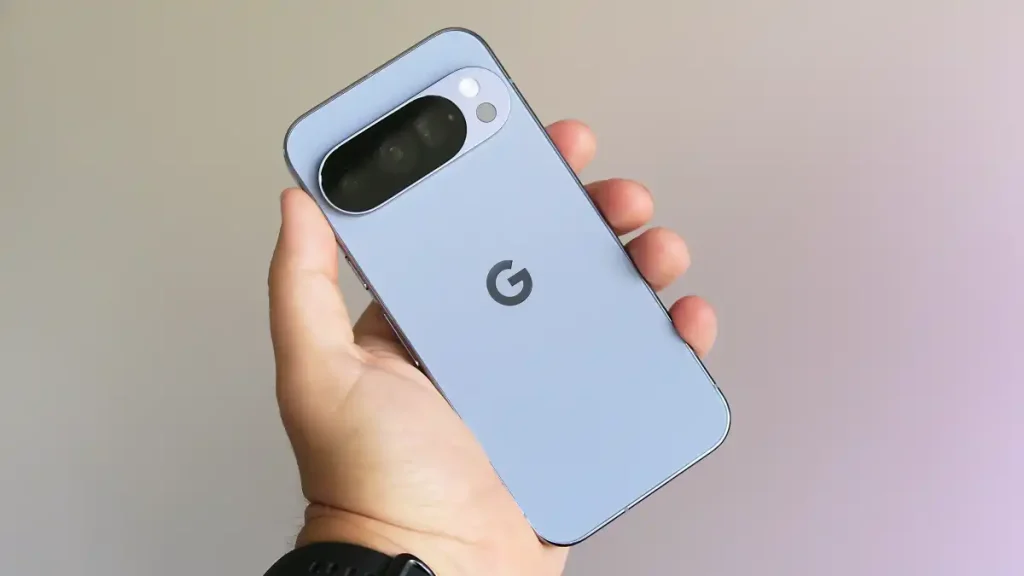
And the new ‘Olive’ colourway on my review sample is essentially a slightly washed-out version of last year’s ‘Jade’. The old colour selection wins every time for me.
As you can tell, the Pixel 11 Pro hasn’t overly impressed me so far. I have no doubt it’s an excellent phone — but so is the Pixel 10 Pro, and you can save a wad of cash by opting for the older model. It’s a no-brainer.