
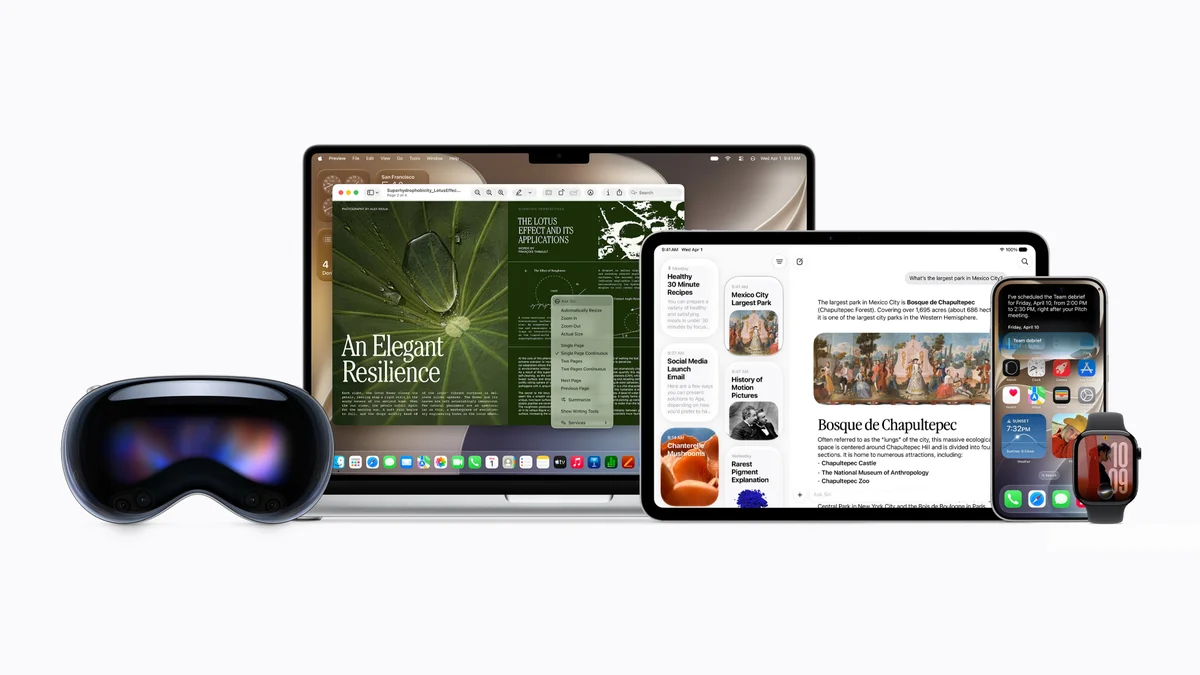
iPhone 18 Pro Max buyers now have a clear picture of where Apple’s AI strategy is headed, and it starts with the phone they already own. In his first keynote as Apple’s new CEO, John Ternus opened by describing the ideal AI device, then revealed he meant the iPhone all along. On the Android side, the Galaxy S26 Ultra is pitched on much the same idea.
Apple’s New CEO Points to the iPhone as the Ideal AI Device
At the Surprise and Shine event, Ternus asked the audience to imagine building the ideal AI device from scratch. It would need an always-on connection, a decent-sized display, top-tier cameras and microphones, and long battery life. It would also have to work with everything else you own, with no learning curve.
He presented it like a hardware reveal. According to Bloomberg’s lead Apple reporter Mark Gurman, writing in his latest Power On newsletter, plenty of people inside Apple assumed a new home AI hub was about to be announced. Gurman has covered Apple’s roadmap for well over a decade, so that detail carries weight.
In other words, you would arrive at something remarkably familiar, because there’s no product in the world better designed to be your intelligent personal hub than iPhone.
Why Apple Is Making the Case for a Personal AI Hub Now
The timing is what matters here. OpenAI has been building AI-first hardware with Jony Ive since 2025, and Apple has no groundbreaking new mobile product to answer with. Gurman’s read is that Ternus is playing the only hand he has.
The phone-centric era looks like it has some time left, though. A new report says OpenAI’s first device won’t arrive before February 2027, and it describes a smart speaker with a camera rather than a phone replacement.
Ternus isn’t the only one selling a phone as the center of an AI life. The Galaxy S26 Ultra and the Pixel have been running Gemini with personal context for a while now.
When we covered Siri AI’s launch, our own testing put it behind Gemini, and a bug cut the assistant off mid-prompt. Our take for anyone holding a Pixel 10 Pro or an S26 Ultra was that there’s no urgency at all. That still stands.
If you’re on Android, this keynote doesn’t change your phone. It should mildly concern Google for one reason, though: Siri AI ships by default to well over a billion iPhones, and that’s distribution Google has to earn one download at a time.
The hub idea isn’t purely marketing, either, because there’s a real architecture underneath it. Apple splits the work in two. Most requests run on the phone itself with a small on-device model, while the harder ones go to Private Cloud Compute, Apple’s own silicon servers that process a request and then keep nothing.
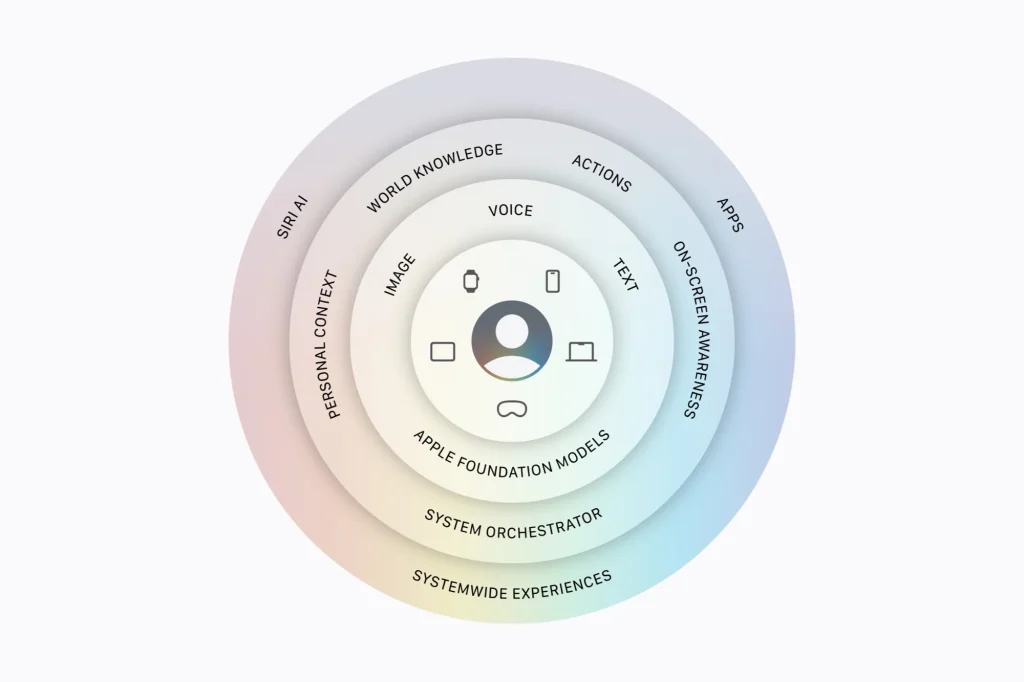
That split is the real reason a phone can hold this job while glasses can’t yet: the phone already carries the processor, the radio and the battery to handle either half.
Apple has been quieter about one wrinkle, though. Its June announcement confirmed that Private Cloud Compute now extends onto Google Cloud, and that the current Apple Foundation Models were built using the technologies behind Gemini.
Apple Smart Glasses and Camera AirPods Will Both Need an iPhone
Here’s the part that touches you directly: everything new Apple sells next depends on the iPhone. The smart glasses expected next fall need one, and so do the camera-equipped AirPods.
Gurman’s view is that AR glasses replacing the phone are many years away. So if you were hoping to leave the iPhone behind and stay in Apple’s ecosystem, that door will stay shut for a long while.
Apple’s AI Hub Does the Heavy Lifting, Not Siri
Sure, Ternus is saying what he has to say, and I’d rather he said it plainly than dressed a home speaker up as a revolution. The argument is also mostly true: my phone is the only device I own that’s awake, connected and carrying my whole life at once.
What I’d love to see is Apple earning that position rather than defaulting into it. Right now the hardware is holding up the whole pitch while the assistant is still catching up.