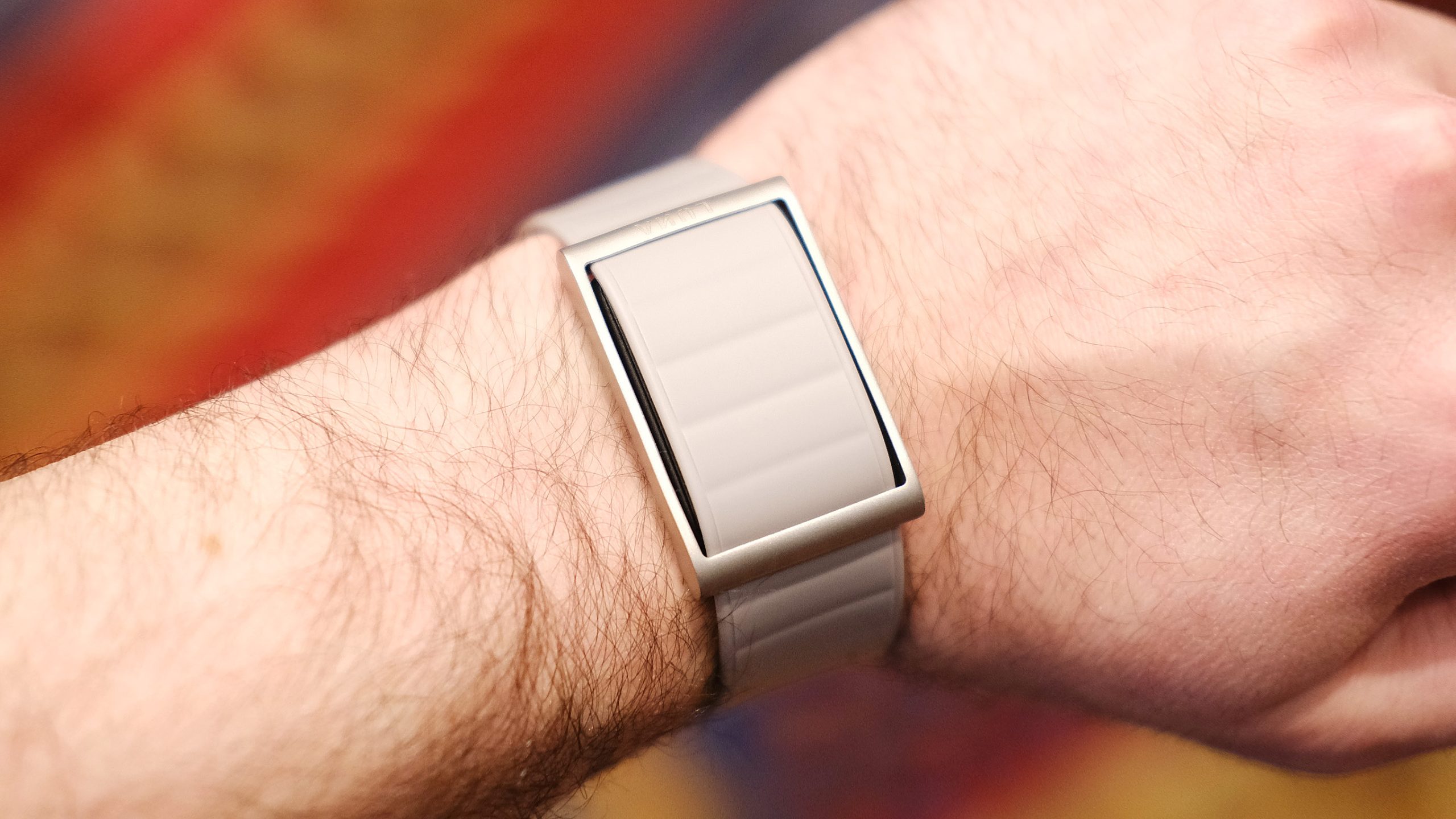
The new Luna Band is positioned to be a strong competitor to the Fitbit Air and other screenless fitness trackers like the Whoop Strap 5.0 because to its attractive appearance and lack of subscription costs. The company has now provided an update on pre-order and release dates while showcasing a crucial feature that could set it apart from the competition: user-generated micro applications.
The introduction of LifeOS, the platform that will serve as the focal point of Luna Band, includes this revelation. Although the business says it will create its own micro apps that will form the foundation of the LifeOS ecosystem, users will be able to create their own apps that will then feed into the total dashboard of data gathered via the Luna Band.
Currently, the Fitbit Air utilizes a somewhat confined ecosystem within the new Google Health app, with a focus on interacting with the AI-powered Health Coach to create a customized exercise regimen. Although it’s a fantastic system, it doesn’t have the community feature that user-developed apps could.
The Luna Band is expected to be a major Fitbit Air substitute, with 100,000 individuals on the waitlist. Additionally, the company has declared that the official pre-order date will be July 4, ahead of the first drop of stock’s July 31 delivery date.
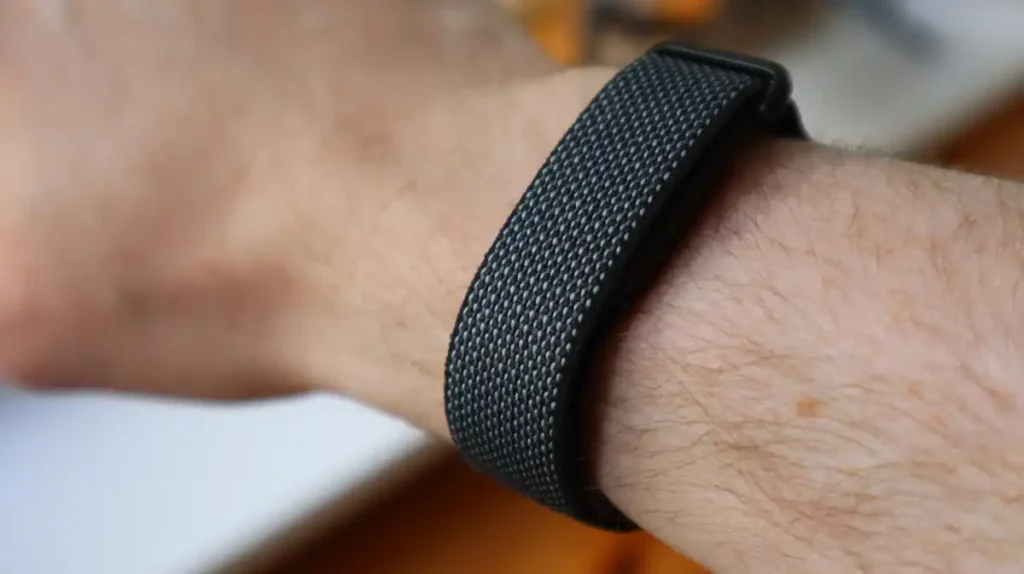
What are micro apps?
On the surface, it seems to be a similar idea to the Garmin Connect IQ Store, where a variety of user-generated watch faces and apps can be downloaded to provide a more personalized watch experience.
Returning to the Luna Band, all of this coincides with an endeavor to consolidate health tracking data into a single application, so eliminating the need for customers to switch between several pieces of software in order to have a comprehensive view of their bill of health.
Amit Khratri, the creator of Luna, described the announcement as follows: “Real health intelligence has been locked behind two doors for decades: expensive specialists and gated software.” Both are opened by LifeOS.
Today, a comprehensive collection of health micro-apps is available on the wrist, and anybody may create their own using the same framework that underpins ours. The same blood markers, the same context, and the same body messages. We’re not giving them another dashboard to decipher. We are giving them the keys to extend it as well as the platform beneath it.
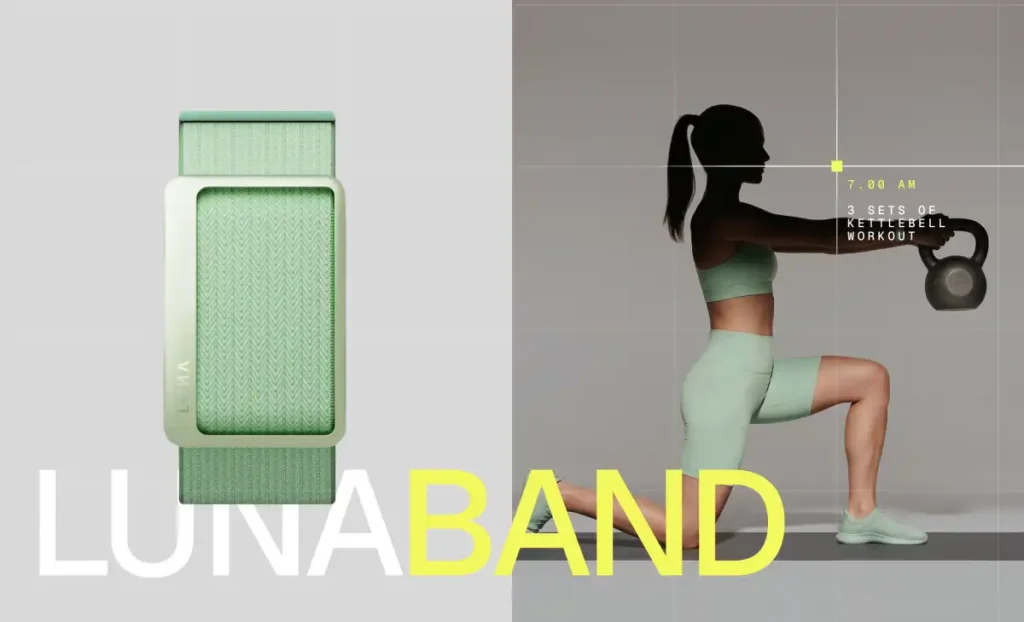
There is a lot of potential for developing a user base that is dedicated to growing the ecosystem to meet their demands, but we are still unsure of the precise resources or advice that can be provided to individuals who want to develop micro apps for LifeOS.
Google recently released the official Fitbit Air blueprints to enable users and third parties to create their own personalized bands for the device, even though this is not a software approach. As more fitness trackers (such as the soon-to-be-released Garmin Cirqa) enter the market, this drive for personalization may become the new arena for differentiating oneself from the competitors.