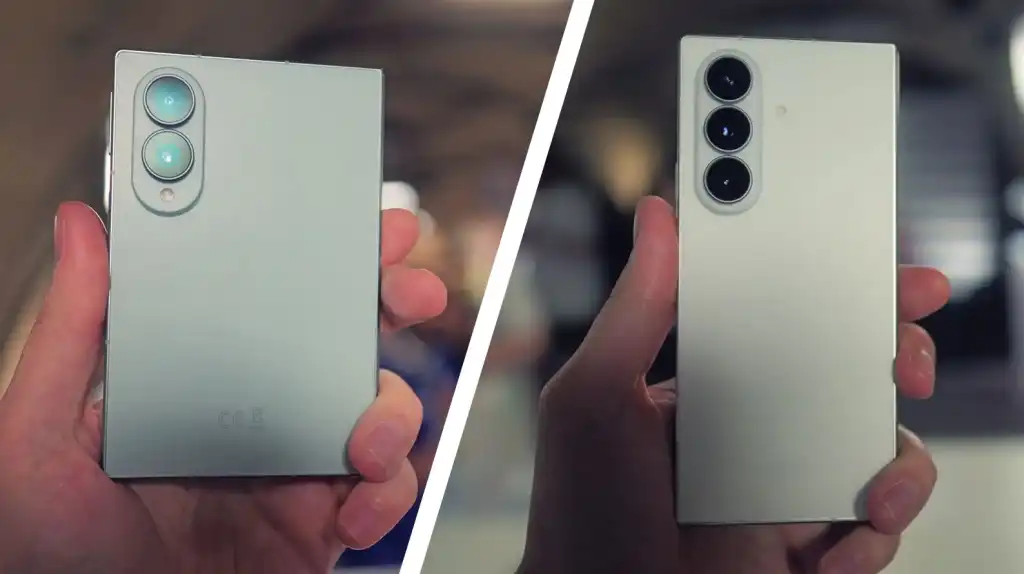
Samsung’s new foldables are here, and there’s a lot to unpack.
For the first time, that includes two distinct book-style devices. Despite the shared naming, the Galaxy Z Fold 8 is an entirely new device, while the rebranded Z Fold 8 Ultra serves as the natural successor to last year’s Z Fold 7.
If you’ve seen the two side-by-side (like in the image above), the difference is obvious at a glance. But is this really just a choice between a short, squat phone and a taller, narrower one?
Not even close. While design alone might pull you toward one or the other, these two foldables differ in several key ways that go far beyond looks.
The design
Let’s start with the obvious: the Galaxy Z Fold 8 and Fold 8 Ultra look strikingly different, and that shapes what each device is best suited for.
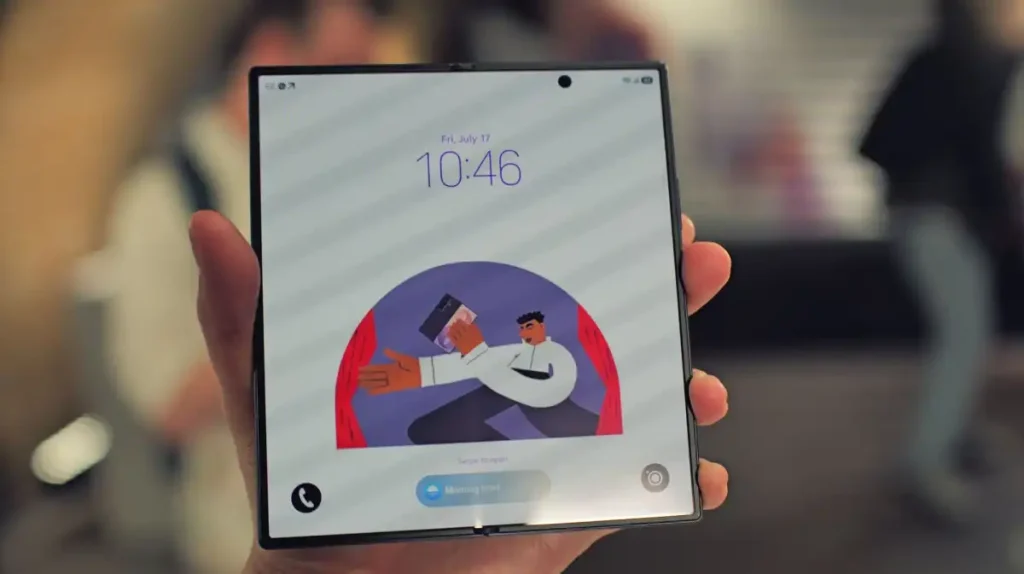
The Fold has always leaned into productivity, and Samsung is pushing that even harder now that it wears the ‘Ultra’ badge. Matching the Z Fold 7’s dimensions and 215g weight, its 8-inch internal display offers roughly the same screen area as two 6.5-inch cover screens placed side by side.
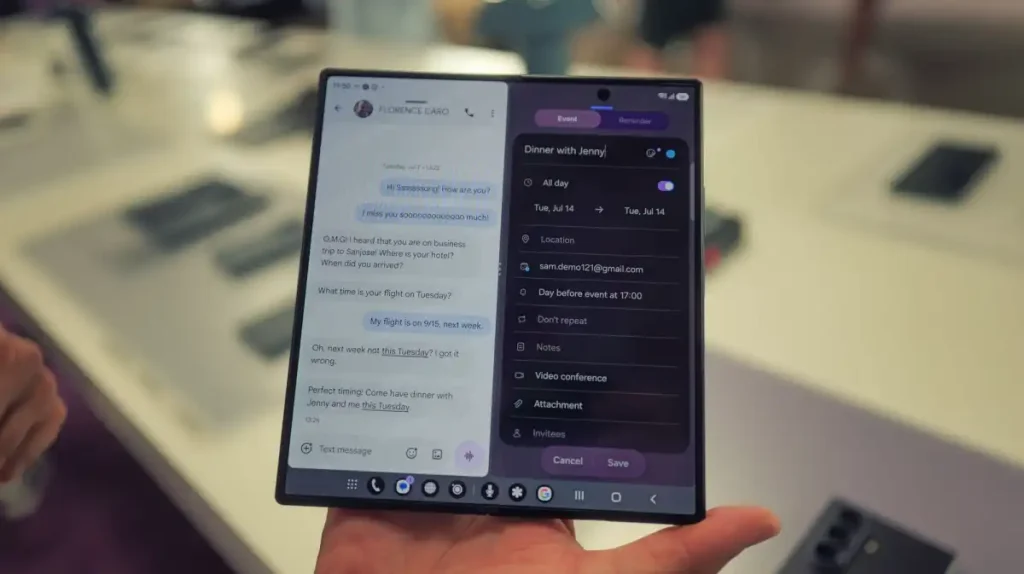
That makes it a far stronger multitasking device — a core pillar of screen-based productivity. New features like ‘Now Nudge’ are built to capitalize on this, letting a single tap on an AI-generated prompt jump straight into a useful split-screen view.
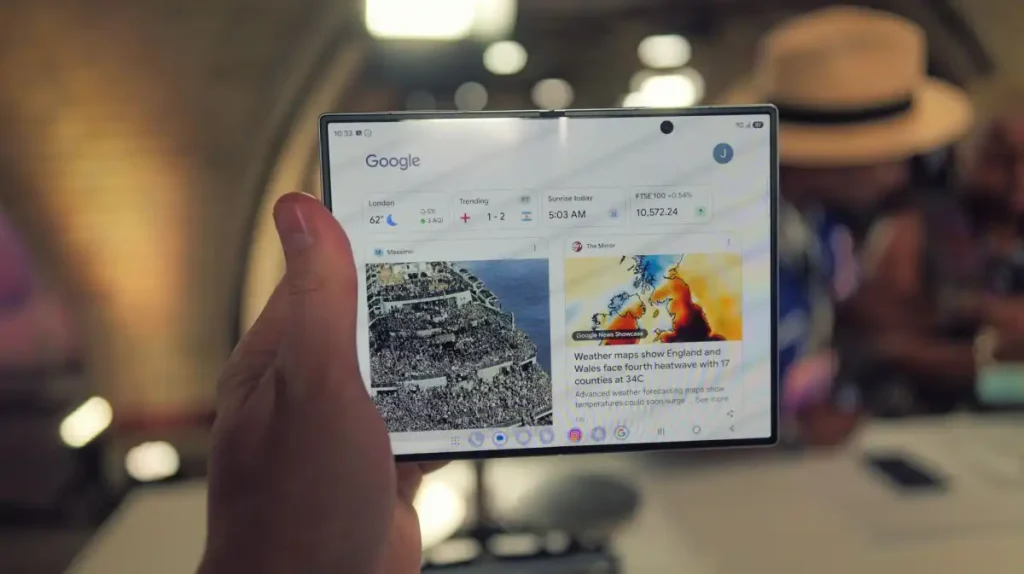
The Galaxy Z Fold 8, by contrast, is noticeably shorter and wider. Its 5.5-inch cover screen can feel a bit awkward for vertical video or one-handed use, but the payoff comes once it’s unfolded. Rather than an almost-square display, the 7.6-inch internal panel takes on a more conventional 4:3 aspect ratio — far better suited to traditional widescreen content.
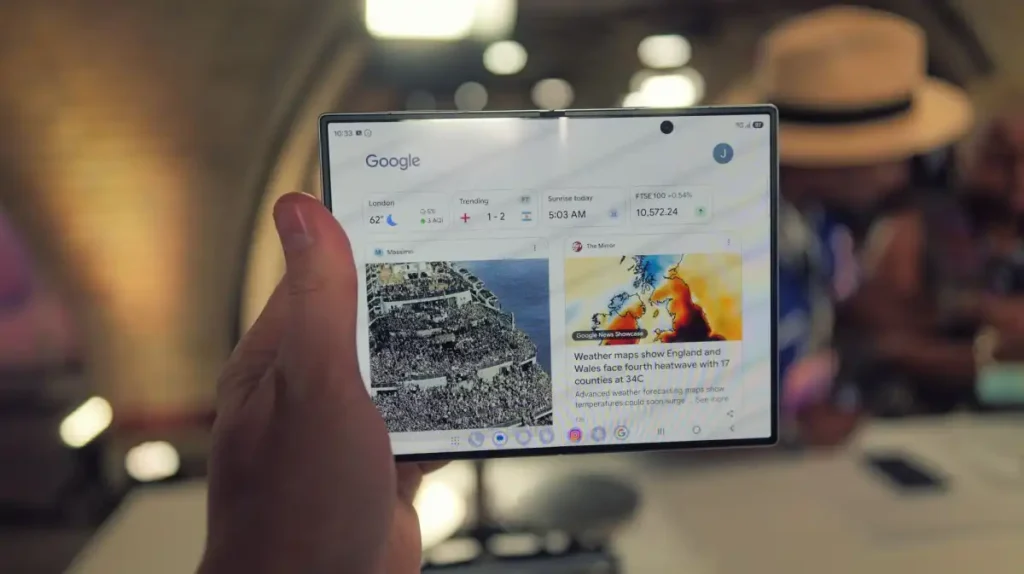
If movies, TV shows, or a tablet-like experience are what you’re after, the Z Fold 8 is the clear pick. It’s noticeably lighter too, at 201g.
Put simply: the Galaxy Z Fold 8 Ultra suits TikTok and YouTube Shorts — including watching two videos side by side. But for long-form content or gaming, the Z Fold 8 comes out on top.
The cameras
Given how expensive these devices are (more on that shortly), chances are you’ll be using one as your main phone — which means the cameras need to deliver.
The Galaxy Z Fold 8 and Z Fold 8 Ultra do share some camera specs, including a 50MP ultrawide with a 120-degree field of view and matching 10MP front-facing lenses on both displays. But that’s where the overlap ends.
Samsung has fitted the pricier Ultra with a far more comprehensive camera setup, carrying over the same 200MP main sensor from last year’s Z Fold 7. It’s not an upgrade, admittedly, but it’s still a step up from what’s on the standard Z Fold 8 — which inherits the same 50MP main sensor found on the considerably cheaper Z Flip 8.
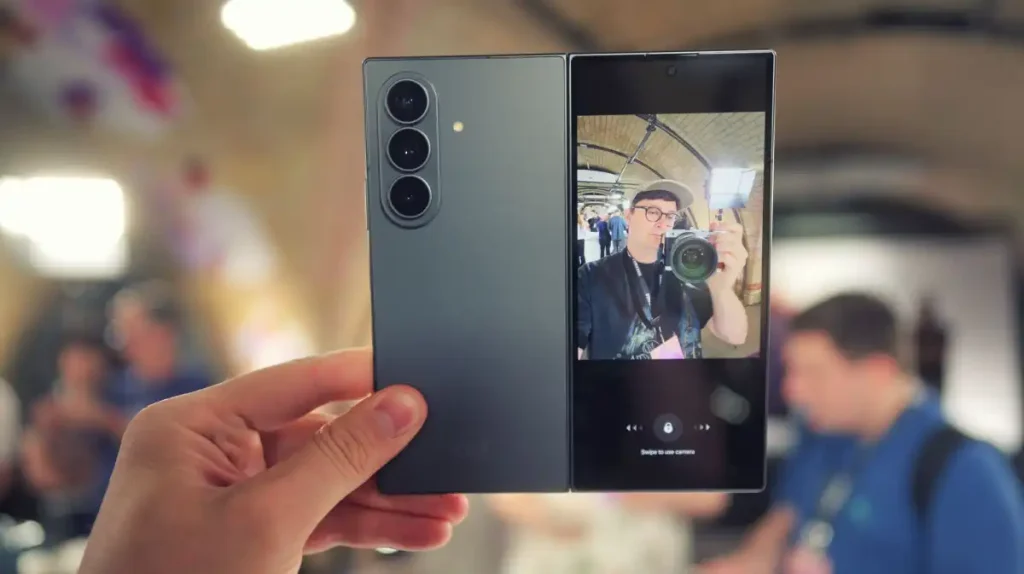
Based on our experience with last year’s Z Flip 7 (which used the same lens), it’s a capable camera in its own right — though still a notable step down from the 200MP option.
Perhaps the most jarring omission on the Z Fold 8, though, is the missing telephoto lens entirely. The Z Fold 8 Ultra doesn’t get the S26 Ultra’s 50MP, 5x periscope telephoto either, but it does retain a standard 10MP telephoto, enabling 3x optical zoom.
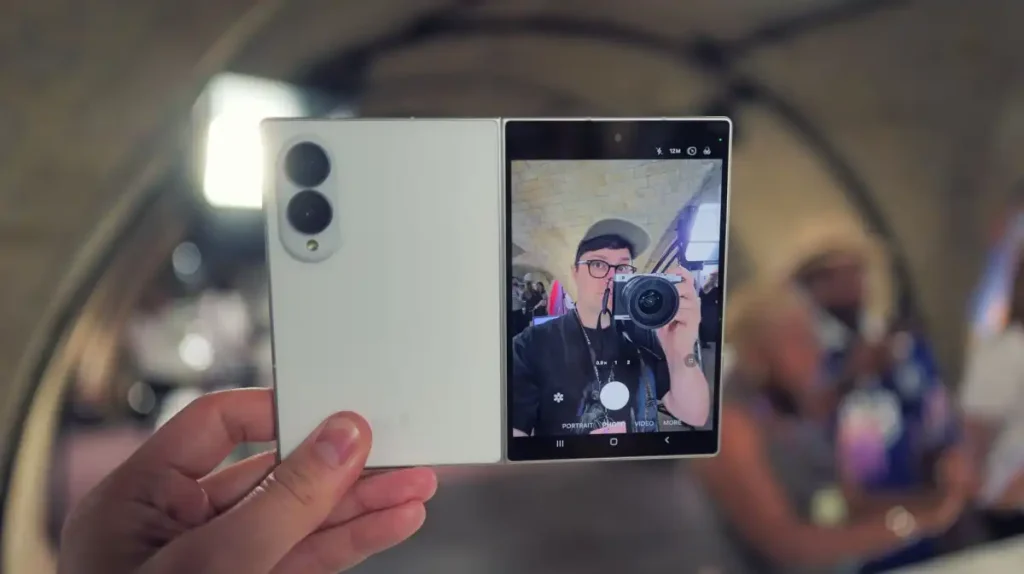
That makes zoom photography a likely weak spot for the Z Fold 8, which will rely entirely on digital zoom — cropping into the main sensor rather than preserving true image quality. If zoom performance or convincing portrait shots matter to you, the Z Fold 8 Ultra is almost certainly the safer bet.
That said, don’t expect the Z Fold 8 Ultra to seriously challenge the S26 Ultra or other top camera phones when it comes to photo or video quality.
The battery
Alongside the Galaxy Z Flip 8, the Z Fold 8 and Z Fold 8 Ultra become the first Samsung phones to feature a silicon-carbon (Si-C) battery. About time.
That means both see a capacity boost over the 4,400mAh Z Fold 7 — though don’t expect numbers big enough to rival some Chinese rivals.
Instead, the Z Fold 8 comes with a 4,800mAh cell, while the Z Fold 8 Ultra edges ahead with 5,000mAh. That extra 200mAh advantage could well be offset by the larger displays, though — especially since both models run the highly efficient Snapdragon 8 Elite Gen 5 for Galaxy chipset.
Charging is identical across both phones, with 45W wired and 20W wireless speeds. There’s still no built-in Qi2, though, so you’ll need a case to access magnetic charging and accessories.
The colours
Both the Galaxy Z Fold 8 and Z Fold 8 Ultra come in the standard two-colour lineup: ‘Graphite’ (dark grey) and ‘Cream’ (off-white).
The Z Fold 8 adds a soft ‘Lavender’ option to the mix, while the Z Fold 8 Ultra opts for a bolder ‘Violet Shadow’ instead.
It’s a similar story for the shades of green, with a lighter ‘Pistachio’ hue on the wide model but darker ‘Green Shadow’ on the Ultra. These ones are also exclusive to the Samsung store.
The price
Make no mistake — both foldables sit firmly in premium territory, and the pricing reflects that. That said, there is some difference between the two.
The Galaxy Z Fold 8 starts at £1,699/$1,899, while the Fold 8 Ultra will cost at least £1,899/$2,099. That neatly brackets the Z Fold 7’s launch price of £1,799/$1,999 from last year.
Both models are available to pre-order now, ahead of their 7 August release date. Contract deals will likely be competitive across the board, but if saving money is the priority, the Z Fold 8 is the better bet.